This website contains affiliate links. As an Amazon affiliate, I earn from qualifying purchases (What’s This?).
Who doesn’t like a cup of tea layered with rainbow jelly, so bright and colorful.
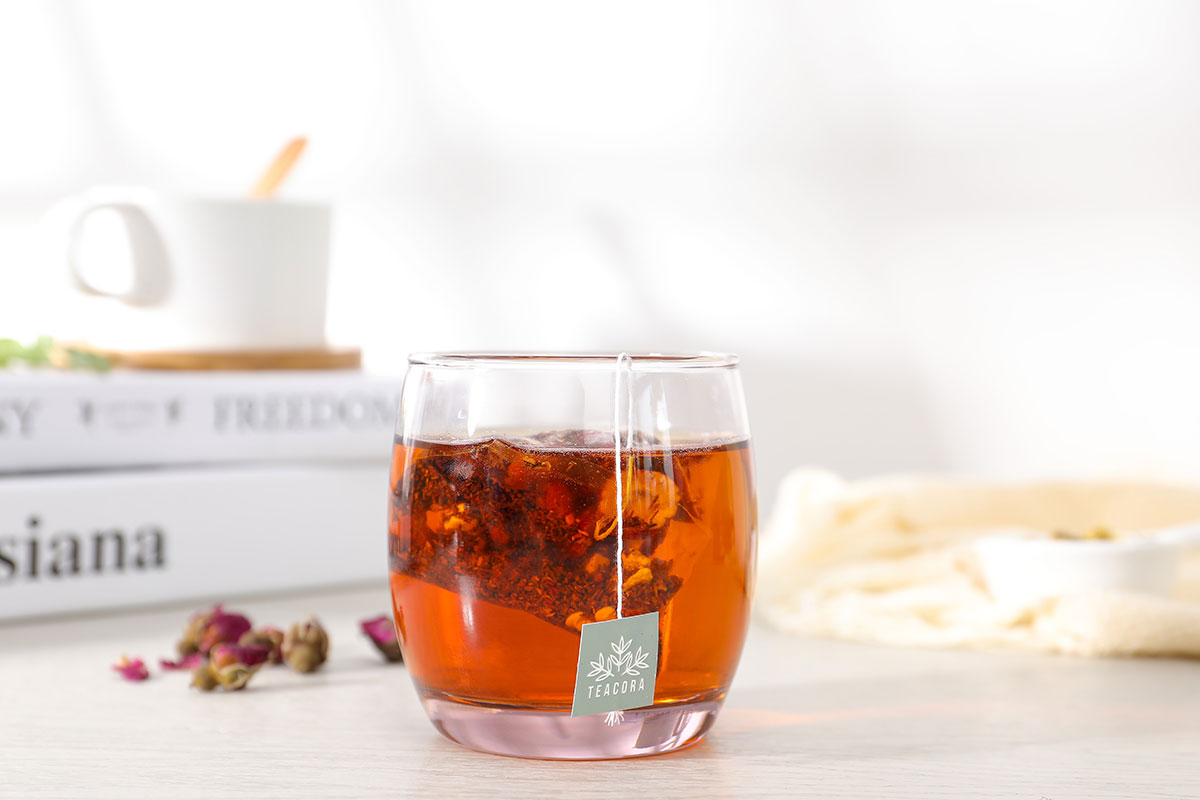
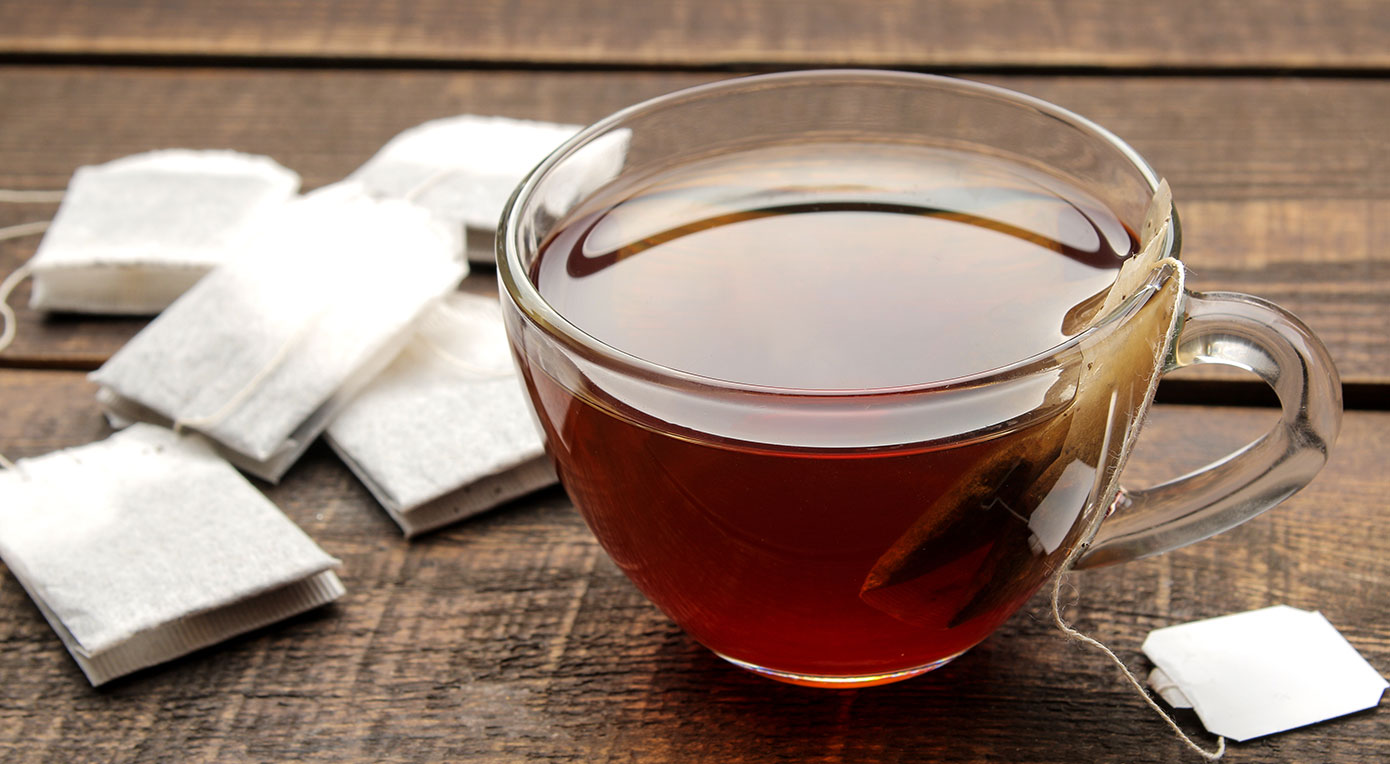
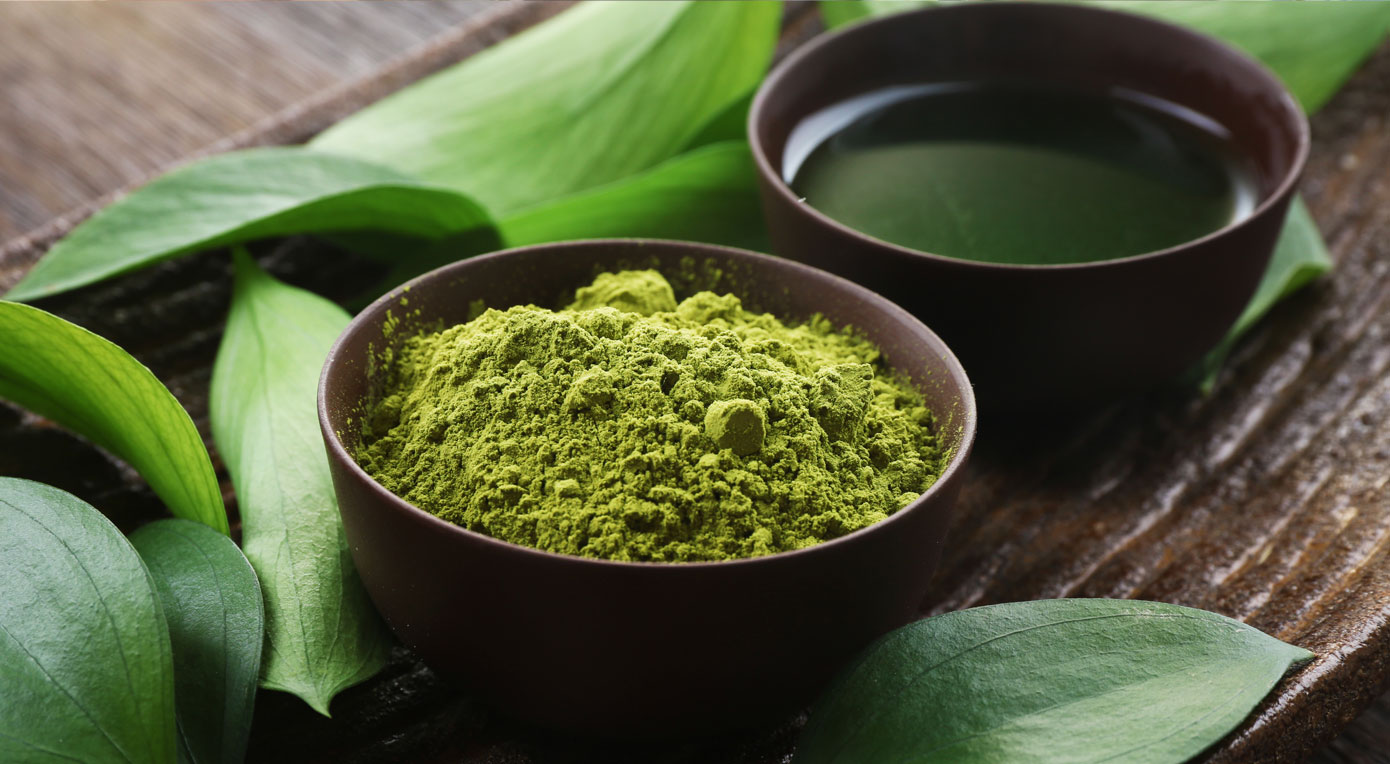
In this guide, I’ll walk you through everything you need to know about rainbow jelly, from what it’s made of to how to use it as a topping for your favorite bubble tea, be it with black tea or green tea.
By the end, you’ll understand why this vibrant addition has become a staple in shops across Taiwan and beyond, and maybe you’ll even be inspired to try it at home.

What is Rainbow Jelly and Why is it Popular?
If you are not living in a cave, you’ll see that rainbow jelly is colorful. It’s a chewy topping normally seen on bubble tea, smoothies, frozen yogurt, some sweet drinks.
Unlike tapioca pearls, it’s light and fruity, with a subtle sweetness that doesn’t overpower the main flavor of your tea or milk.
It’s made of ingredients commonly used to make agar, konjac and at times, blended with fruit puree or juice. This brings about the fruity notes flavor.
Its popularity lies in more than taste, it’s visual. Those assorted, coloured jellies give each drink a burst of color, creating a playful and premium feel.
Customers love the way it transforms a simple cup of tea into something instantly Instagram-worthy. In short: rainbow jelly makes every sip a little celebration.
How is Rainbow Jelly Made?
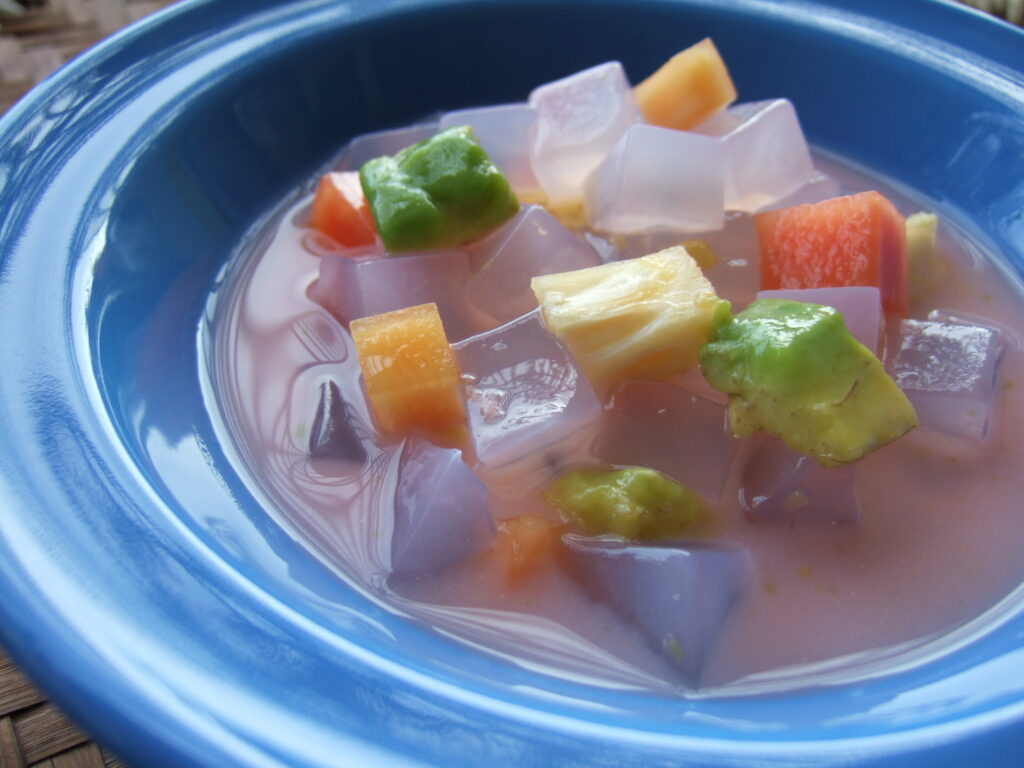
Most rainbow jelly is made from plant-based ingredients, which makes it a friendly alternative for people avoiding gelatin.
Agar, carrageenan, or konjac are the common bases, giving the jelly its chewy yet subtle texture. To achieve its fruity flavor, fruit puree or fruit juices are blended in, often sweetened with fructose or sugar.
To stabilize the jelly, additives like potassium sorbate, citric acid, and even sodium carboxymethylcellulose may be included.
Occasionally, titanium dioxide has been used to brighten the colour, though some brands now seek healthier, cleaner ingredient lists. Once the mixture sets, it’s cut into cubes or strips and packed into a container, ready for shops and suppliers.
What Does Rainbow Jelly Taste Like?

It tastes fruity, thanks to the ingredients, with some mango, pineapple, strawberry, or passion fruit, depending on the brand.
If you’ve ever had lychee jelly, grass jelly, or even coffee jelly, you’ll know that each type carries its own unique character.
It’s not overly sweet, more of a gentle, refreshing note that complements milk, fruit, or coffee-based drinks.
The texture is where it shines: slightly firm yet easy to bite, translucent but colourful, with a playful burst in each spoonful or straw sip.
It’s a perfect substitute if you want something lighter than tapioca pearls but still crave that extra layer of fun in your beverage.
Why Do Bubble Tea Shops Use Rainbow Jelly as a Topping?
Rainbow jelly topping is an easy way for bubble tea shops to elevate their drinks. For one, it’s visually striking.
A simple fruit tea or milk tea instantly feels more premium when dotted with coloured jellies. It also appeals to customers who might not enjoy the heavier chew of tapioca pearls but still want a textural topping.
From a practical perspective, rainbow jelly is efficient for shops to stock. Suppliers often provide it in wholesale containers, making it easy to scoop and serve.
Since jelly doesn’t require the same cooking as boba, staff can quickly prepare drinks, reducing waiting time for customers. For a brand, that’s a win.
What Drinks Pair Best with Rainbow Jelly?
Rainbow jelly pairs beautifully with a variety of drinks. Here are some customer favorites:

- Fruit Tea – Think strawberry, mango, or orange teas blended with fruit puree and bright jelly for a burst of color.
- Boba Milk Tea – A classic milk base softened with jelly for a fun twist on traditional tapioca pearls.
- Coffee-Based Beverages – Yes, coffee jelly has competition! Try adding rainbow jelly to a chilled coffee or coffee-milk drink for something different.
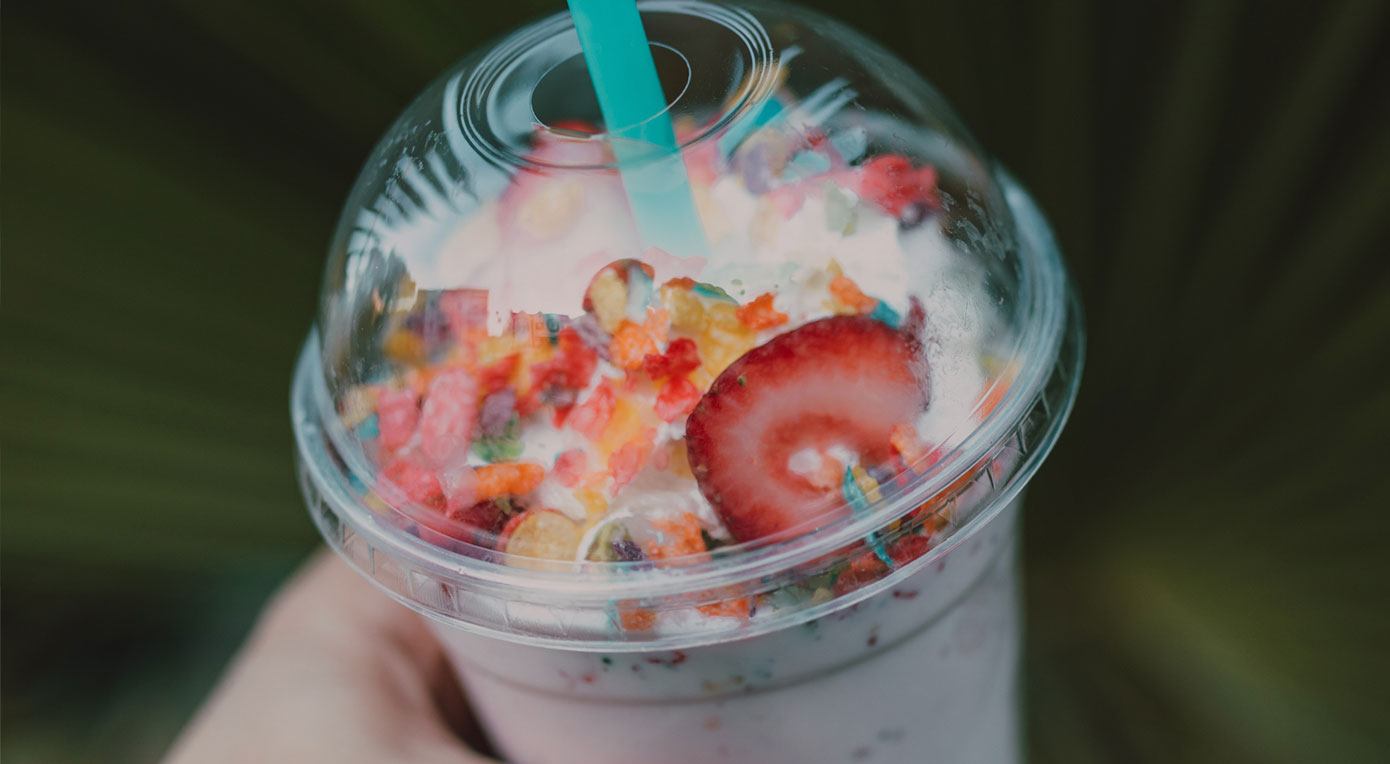
- Smoothies and Frozen Yogurt – The sweet jelly cubes add texture and flavor bursts to creamy bases.
Whether it’s passion fruit tea with ice, coconut milk tea, or even a simple juice blend, rainbow jelly always delivers that playful, colourful finish.

The ingredient list can look both familiar and a little chemical. At its simplest, rainbow jelly contains:
- Base: Agar, carrageenan, or konjac
- Sweeteners: Fructose, sugar, or syrup to sweeten
- Flavor: Fruit puree, mango, strawberry, pineapple, or coconut flavorings
- Acids and stabilizers: Citric acid, potassium chloride, sodium carboxymethylcellulose
- Preservatives: Potassium sorbate to extend shelf life
- Coloring agents: Natural fruit juices or, in some brands, titanium dioxide
The exact recipe varies by supplier and brand. Premium versions often lean toward cleaner, healthier ingredients, using more fruit puree and fewer chemical substitutes.

Compared with classics like grass jelly, lychee jelly, fruit jelly, and coffee jelly, I’d say, each has its loyal fans.
Grass jelly is herbal and darker, while coffee jelly has that bold coffee bite. Rainbow jelly stands out for its fruity notes and colourful appeal.
It’s also lighter in texture compared to tapioca pearls, which makes it ideal for those who find pearls too filling.
Plus, the colourful cubes add a playful personality that grass jelly or lychee jelly simply don’t match. For shops, it’s a versatile, healthier alternative topping to keep on the menu.
How Does Rainbow Jelly Compare to Other Jellies?
Most shops source rainbow jelly from a wholesale supplier. These suppliers package the jelly in large containers for efficiency. When purchasing, shops often look for:
- Consistent flavour and texture
- Premium appearance with colourful cubes
- Shelf stability with safe preservatives
- Cost efficiency for wholesale orders
Brands from Taiwan are especially well-regarded since bubble tea culture originated there. If you’re a small café, it’s best to find a reliable supplier who can provide jelly in bulk while ensuring quality standards.

Absolutely. Homemade rainbow jelly is made much the same way as traditional fruit jelly: dissolve agar or gelatin in hot water, sweeten with sugar or syrup, add puree or juice, and let it set. Once firm, cut into colourful cubes.
For extra fun, you can divide the mixture into several small containers and colour each batch with mango, strawberry, or orange puree before layering them together.
The result is a vibrant, fruity topping ready to burst with flavour in your cup of tea, juice, or even a dessert bowl.
Are There Healthier Alternatives to Store-Bought Rainbow Jelly?
For something healthier, do go for more natural ingredients. Try using agar with coconut water, fruit juices, or fresh puree instead of syrups. Sweeten lightly with honey or avoid added sugar altogether.
This way, you control the flavour, texture, and sweetness, ensuring a cleaner ingredient list without additives like titanium dioxide or chemical stabilizers.
It’s also a creative way to play with fruity combinations, think mango with coconut, or strawberry with pineapple.

As bubble tea continues to expand globally, toppings evolve too. We’re seeing more shops experimenting with colourful jellies, assorted textures, and premium ingredients to stand out.
Rainbow jelly, with its playful yet versatile character, remains a strong choice.
Some brands are even exploring translucent versions with subtle flavours or colourful bursts using natural fruit juices.
Whether in boba tea, milk tea, or smoothies, rainbow jelly is proving it’s more than a topping, it’s part of the experience.
Key Takeaways: Rainbow Jelly in Tea
- Rainbow jelly is made from bases like agar, carrageenan, or konjac, flavored with fruit puree or syrup.
- It adds a burst of color and a playful texture to bubble tea, fruit tea, smoothies, and frozen yogurt.
- Compared to tapioca pearls, it’s lighter and more fruity, offering a healthier alternative for some.
- Popular flavours include mango, strawberry, pineapple, coconut, and passion fruit.
- Shops source jelly from wholesale suppliers, often from Taiwan, looking for premium texture and consistent flavour.
- Homemade rainbow jelly is easy to make with agar, juice, and sugar, giving you full control over ingredients.
- Healthier versions avoid chemical additives and use natural fruit juices or puree instead.
- Rainbow jelly topping isn’t just trendy—it’s here to stay, bringing sweetness, colour, and fun to every drink.
This website contains affiliate links. As an Amazon affiliate, I earn from qualifying purchases (What’s This?).