This website contains affiliate links. As an Amazon affiliate, I earn from qualifying purchases (What’s This?).
When you drink a cup of warm matcha and wonder whether the vibrant green tea is more acidic or alkaline, you are not alone.
With acid reflux being discussed everywhere, stomach acid and whether drinks are acidic or alkaline are just examples. It is, then, inevitable to ask: Is matcha acidic or alkaline?
The article is interesting because it provides the pH level of matcha, compares it with coffee and other teas, and offers a useful tip for overcoming the challenge of reflux and sensitive digestion.
What makes matcha different from your regular green tea?
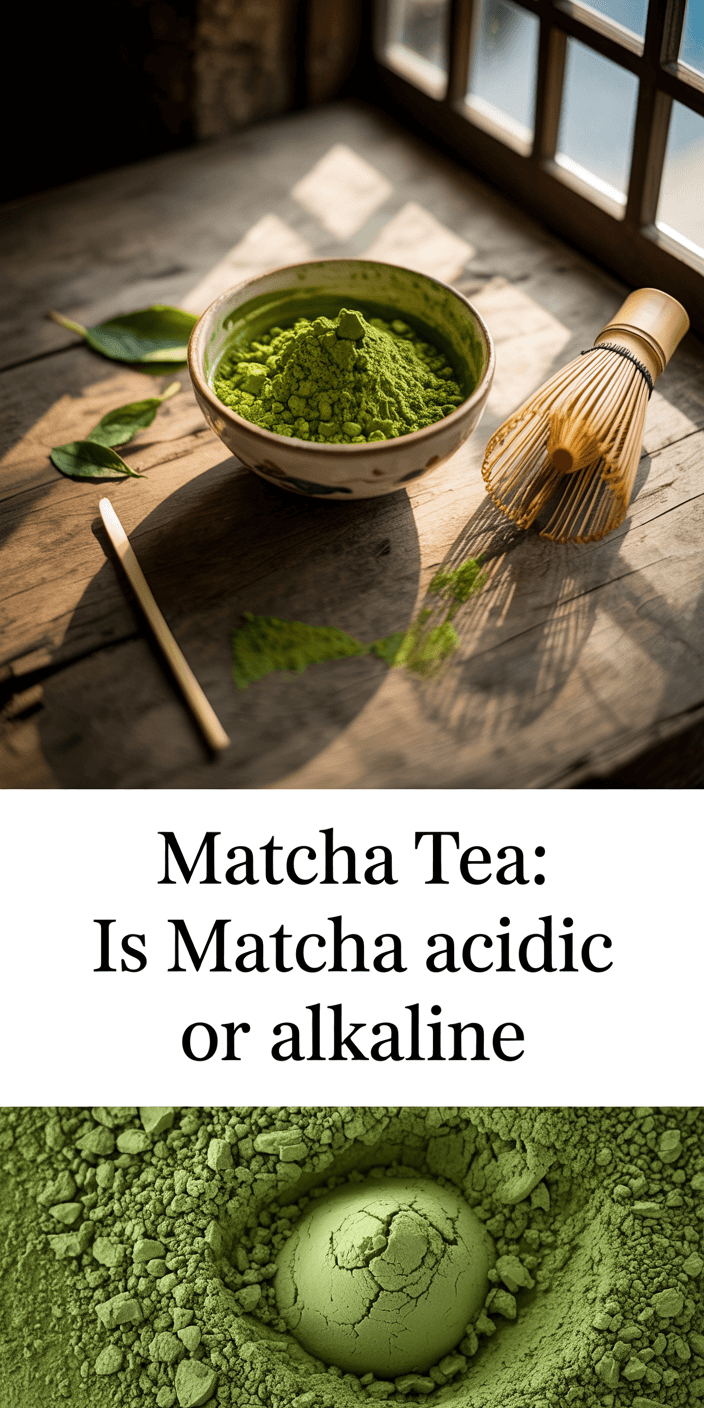
Matcha is different from regular green tea, that is because while your regular green tea is made by steeping a leaf and then throwing it away, matcha is entirely different. You whisk the entire matcha powder right into hot water, without discarding a single thing.
What this means is that when you drink matcha, you are getting all the components of matcha in a liquid form: its antioxidants and amino acid L-theanine.
Regular green tea generally has a neutral to slightly acidic pH, depending on how it is brewed. But matcha is slightly more acidic.
One reason matcha is valued is its rich health benefits, and the pH level of matcha is important. In some studies, matcha has an alkalizing effect on the body despite being listed as an acidic food on the pH scale.
Is matcha acidic compared to coffee?

This is a question that people often ask. 7 on the pH scale is neutral, neither acidic nor alkaline. However, smaller numbers mean greater acidity.
Coffee typically has a pH of 4.5-5, making it quite acidic. The pH value for matcha is about 6, which is less acidic than coffee.
So not only does this mean matcha is better for your stomach acid pouches than coffee, but its people who have acid reflux or heartburn where phase out coffee go drink a cup of matcha.
Matcha is usually less acidic than coffee for those of us with acid reflux symptoms from caffeine. That is why when people with a weak stomach drink coffee and find that their gastrointestinal track begins to feel hot then they switch to matcha instead.
While it is true that matcha contains caffeine, caffeine can trigger acid reflux symptoms by altering the volume of stomach acid. The effect of matcha, in general, is much milder. Especially when you drink matcha in moderation.
Can matcha cause acid reflux?
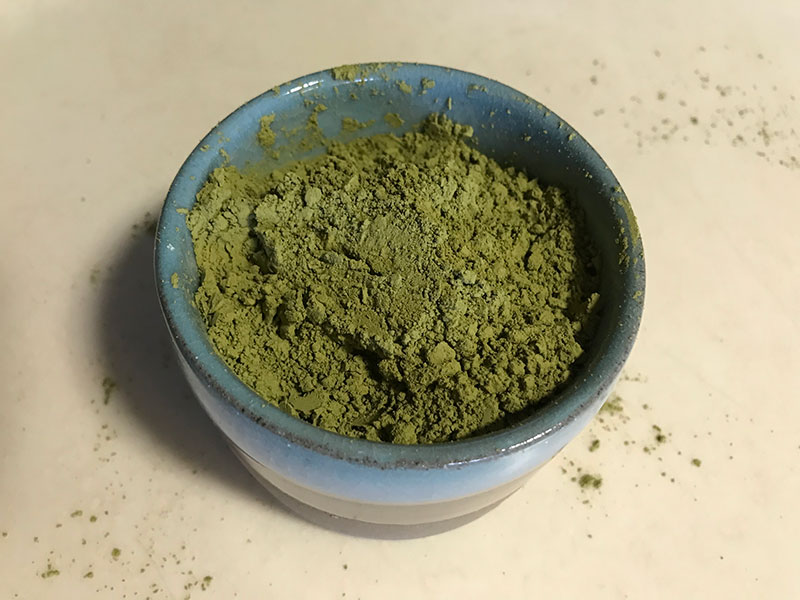
Matcha isn’t as acidic as coffee or caffeinated beverages, such as many black teas, but make no mistake: Match does indeed contain caffeine.
Where people have acid reflux or GERD, caffeine can be one of those substances that might well lead to acid reflux episodes. Drinking matcha on an empty stomach can cause stomach acid to be more active.
This, in turn, can make you more likely to have heartburn during that time span each day when your stomach is least full or even empty. But don’t take that to mean you have to avoid matcha entirely.
For many people suffering from acid reflux, matcha is no problem at all and can be prepared in a healthy way. Pairing matcha with alkaline ingredients, such as oat or almond milk, helps neutralize stomach acid.
Also, matcha lattes are often less acidic than pure ceremonial-grade matcha because the milk provides a buffering effect.
Is matcha acidic or alkaline once consumed?

Here comes the interesting part: Matcha technically has a pH that, on paper, is slightly acidic. But many nutritionists think matcha actually has an alkaline effect on the body.
Thus, when it gets into our stomachs and is digested by our bloodstream, as such a finesse only Mother Nature can conceive of, matcha functions to help maintain PH balance in your body rather than sending it toward acidity.
This is why matcha appears on alkaline food lists and in health guides from time to time, along with other goodness. Sometimes listed as a close mate in wellness literature.
In its natural state, then, matcha is slightly acidic. But in fact, the compounds of matcha, things like catechins, chlorophyll, and amino acids, suggest that matcha helps maintain pH balance in your body.
So, this is one health benefit you get by regularly enjoying matcha, whether hot or cold. Not only does the body’s pH remain in balance, but at the same time, coffee drinkers are enjoying themselves with really acidic foods like milk.
But when you drink too much of that stuff over extended periods, your whole system becomes obsessively tipped towards acidogenic reactions, which cannot be good.
How does the pH level of matcha compare to other teas?

The consumption of tea fluctuates massively due to different brands, soil types, etc., and the pH of each type can be equally variable. Black teas are more acidic than matcha, with a pH of around 5.
Whenever left for a period, the figure might fall below 4 and be considered. On the other hand, green teas, such as matcha, generally settle closer to neutral or even slightly alkaline.
Matcha has a pH of about 6, which makes it slightly acidic. This is much less than coffee or black tea, and for that reason, people with delicate stomachs who drink matcha can take scalding hot water without being bothered by its acidity as much.
People with acid reflux or other pH-related issues can take matcha now and then without causing problems.
Does matcha help or hurt acid reflux symptoms?
For most people, the health benefits of matcha outweigh any mild acidity. In matcha, there is L-theanine that helps you relax and also stop the stress that caffeine brings on.
In general, the effect of matcha is less acidic than coffee, and that is why it is better for people with gastroesophageal reflux disease.
However, if you’re prone to acid reflux, drinking matcha on an empty stomach might trigger acid reflux symptoms.
If you have a light snack to accompany matcha or make a matcha latte, a denser mouthfeel with more substance, the acid of matcha will be diluted.
Furthermore, this more substantial fare will help counteract conventional Indigestion medicine created solely for acid digestion.
Then there is the point of when and where one consumes matcha. Change these two factors to more optimal natural conditions, and you can drastically ease your rebellious old hot sessions of heartburn.
How can you reduce the acidity of matcha?

If you’re wondering what you can do with this stuff, you’re in luck. Just add milk or non-dairy substitutes, and the sharp taste of matcha is softened.
The drink will sit more easily on your tongue and be agreeable to digestion. Matcha with good digestion. It may be that the most important thing of all is choosing high-quality matcha.
As a rule, the more recent tea leaves are the product of using ceremonial grade matcha to be milder in taste than regular matcha because younger leaves are used and this particular processing technique leaves them delicate and mild-tasting.
You may also combine matcha with ingredients that go against acidity, such as oat milk, coconut water, or even a little pinch of baking soda (a trick borrowed from coffee), and help transform it.
After these alterations, even people with acid reflux problems or oversensitive stomachs should find matcha much more digestible.
Does matcha have health benefits despite being slightly acidic?
It is full of antioxidants that fight inflammation, chlorophyll to detoxify the body, and amino acids that alleviate nervous tension.
The health benefits of matcha are one reason why people in increasingly large numbers are making it a daily ritual. Even though matcha is slightly acidic, its overall effects on the body are positive.
Matcha balances pH, aids in the assimilation of nutrients, and doesn’t bring you down like coffee. Acknowledge that matcha could breed acid reflux in people sensitive to such things, but for the majority, good outweighs the bad.
Is matcha bad for acid reflux or GERD?
The short answer is no. The risk is minimal that Matcha causes heartburn; people living with acid can even find relief from switching to a bowlful of this green tea.
But even still, with a careful eye on the amount of caffeine that gets into your system, Matcha in moderation is essential for people with acid reflux disease.
And if you have heartburn, never consume Matcha on an empty stomach is a general idea. Take it easy; When Matcha is made with alkali liquids such as Crobynne or rice milk instead of cow’s milk, there’s no longer quite the oppressive feeling going into your gut or even in your bosom.
However, matcha powder of differing quality and pH balance can be a big factor, and higher quality matcha is less acidic than low quality matcha.
Final thoughts: Should you make matcha part of your daily routine?
Matcha seems slightly acidic, but it is less so than coffee. As a result, it is gentle and healthy for everyday tea consumption.
Matcha is alkalizing for your body’s pH and normally tends to soothe rather than excite; your body does not feel uncomfortable or itchy.
For people with acid reflux, matcha is usually okay, especially as a matcha latte or served with alkaline foods.
Generally speaking, matcha is like this: it too seems slightly acidic or alkaline on the outside (because of its composition). For this reason, so many people drink it as part of their morning routine.
This website contains affiliate links. As an Amazon affiliate, I earn from qualifying purchases (What’s This?).