This website contains affiliate links. As an Amazon affiliate, I earn from qualifying purchases (What’s This?).
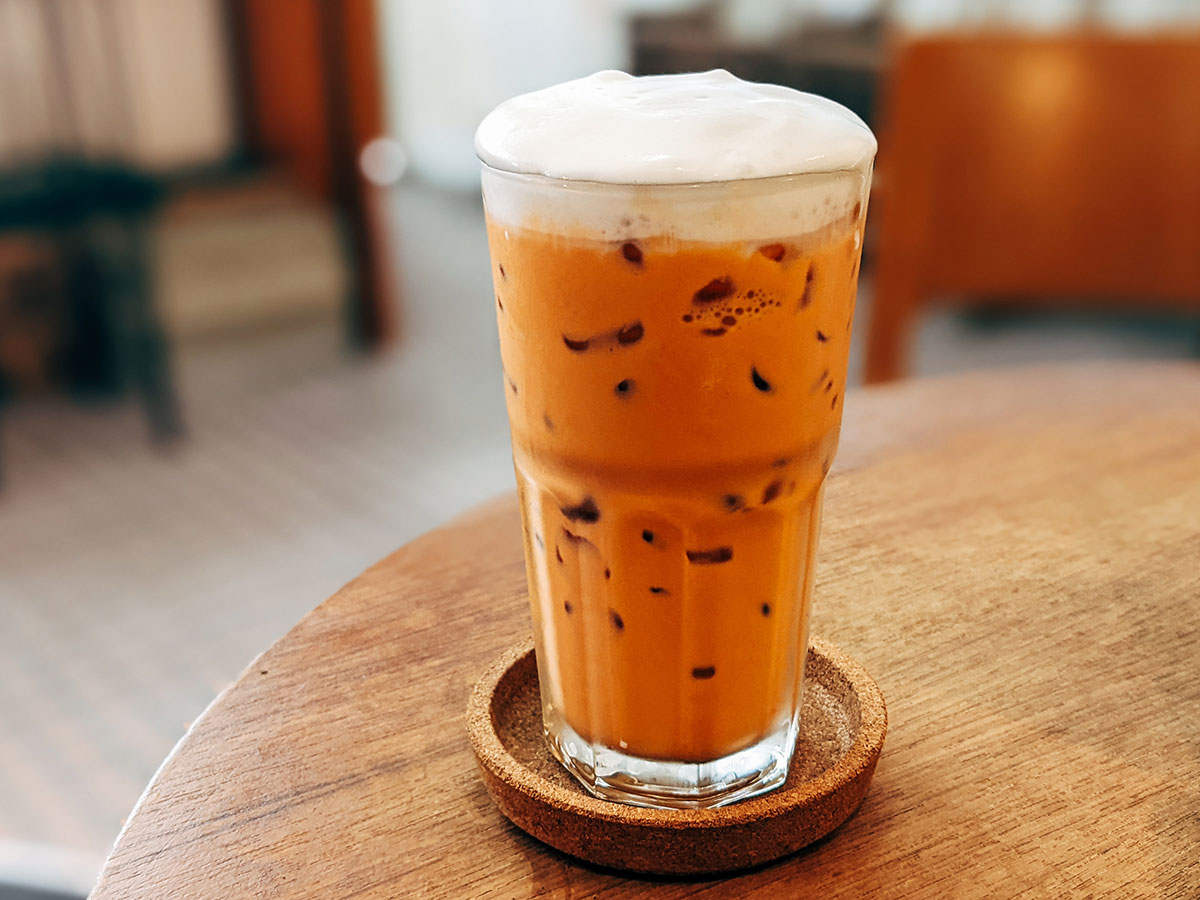
If you have ever drunk a creamy Thai iced tea on a sweltering day, then you know one of life’s little pleasures.
But if you’ve also wondered, “How much caffeine is in Thai tea?” then you are in need of company. Thai Tea is particularly popular for its sweet taste and tangerine-colored hue.
You probably know friends who can’t sleep after a sip of anything with caffeine; hence, it is no wonder people are curious about how much caffeine is in Thai tea.

They might be unable to drink coffee or tea, but they really want a cup of Thai iced tea when the weather heats up, and all else fails.
Getting an idea of how much caffeine is in your cup helps you manage how many cups you can afford to drink per day.
In this guide, we will explore what substance Thai tea is made from, how it’s made, and how much caffeine is likely in each cup.
By the time you’re finished reading, you’ll know exactly what you’re drinking and if it fits into your day-to-day life.
What is Thai tea and why is it so popular?
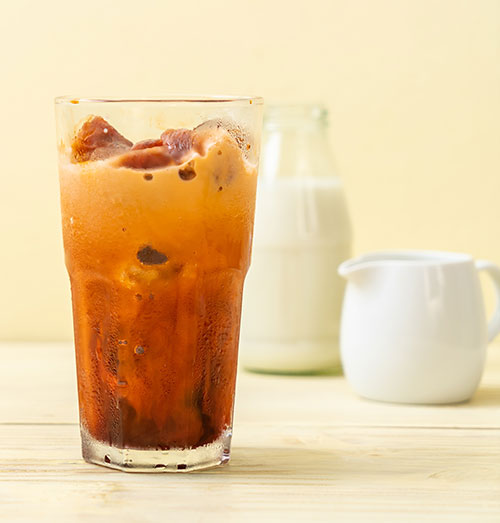
It’s a rewarding drink, originated at the heart of Thailand itself. This kind of tea is often served iced, usually made with black tea leaves steeped and then sweetened with sugar and a little milk, condensed or evaporated.
In addition, some people may find it creamier when coconut milk or whole milk is added. Its sweet taste and spices, such as cardamom or star anise, give Thai tea its unique flavor.
In Thailand, people often find this tea drink at various street-side tea stalls and their favorite Thai restaurants, making it a truly casual refreshment and an old standby.
Apart from being refreshing and aesthetically pleasing, the Thai tea drink has become popular worldwide. Thai iced tea is made with a special Thai tea mix, or a tea mix that gives it its strong orange color.
This is due to the combination of a black tea base and, sometimes, food coloring. It is served in tall glasses filled with crushed ice, providing instant refreshment.
How is Thai iced tea made?
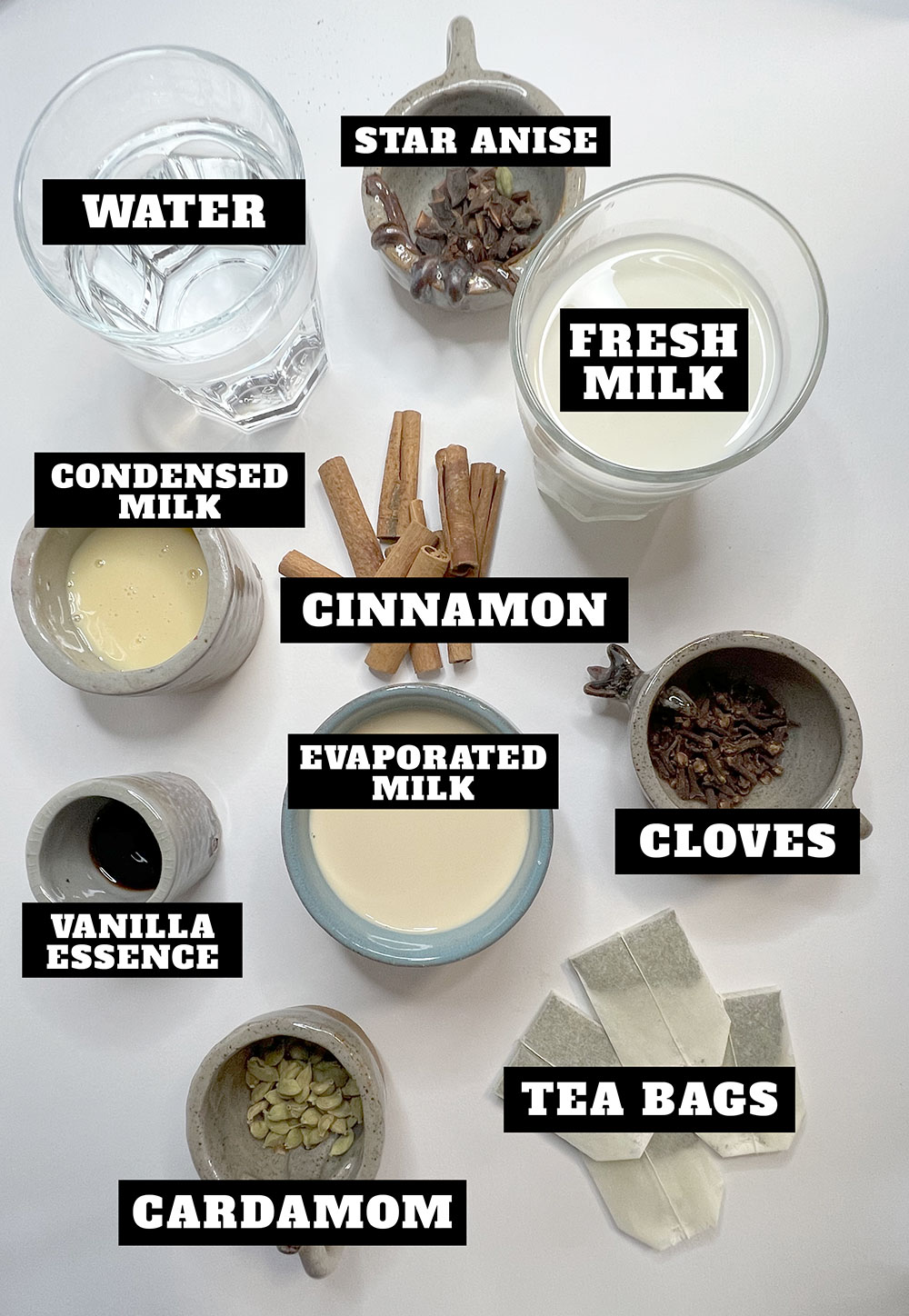
Thai iced tea recipes can be different in some ways. But at its core, any version is made with strong black tea. As a result, the tea is steeped in hot water, often with a combination of black teas like Assam and Ceylon, to make an even more powerful brew.
Some recipes call for loose tea, while others may use teabags, depending on personal taste. The tea is then flavored with star anise and sometimes cardamom.
When it cools down, pour over ice cubes and top with sweetened condensed milk, evaporated milk, or whole milk to create that milky-swirled cap you see on top today, yum!
Thai iced tea is made in a way that adds roundness to the flavor, making it neither too bitter nor too sweet. A traditional Thai tea recipe might call for sweetened condensed milk, while modern variations could include coconut milk or similar plant-based alternatives.
Whether you order it at a Thai restaurant or make your own cup of tea, the process is the same: brew, sweeten, refrigerate, and serve.
Does Thai tea contain caffeine?
Yes, Thai tea has more caffeine as a result of black tea. That depends on the particular black variety. In the end, you might say that all teas depend upon the method of brewing.
Also, the caffeine content for Thai iced tea can vary depending on how strongly it is steeped. A very strong brew will definitely yield a full-blooded tawdry pleasure, so the caffeine content of these types of gao yon is no small amount.
Typically, Thai tea contains a little less caffeine than coffee but much more than iced herbal teas and sports drinks. The full answer is in the tea base used for Thai tea and the steeping process when it’s made from a little leaf.
How much caffeine does Thai iced tea have?
The caffeine content of an average mug of Thai iced tea is around 20-60 mg. In fact, many cups contain even more caffeine than that because they are made with black tea and steeped for a long time.
When you compare that to coffee containing a 95–200 mg per serving ratio, factors involving Thai tea mix and the specific amount of caffeine in your particular brand.
Different Thai iced tea mixes have varying lengths of time for the tea leaves to remain in contact with the water, and caffeine levels depend on the type of tea used in the brew. Stronger teas, such as Assam, will contain more of it.
What influences the caffeine content in Thai tea?
All these factors contribute to the different levels of caffeine found in Thai tea. As black tea contains more caffeine than green or herbal ones, it is understandable that what you drink here might be enough to keep you awake.
So, the origin and quality also significantly affect how much caffeine tea contains. In fact, a 20% increase in tea strength could boost its caffeine content as dramatically as turning a gentle breeze into a strong gust.
Thai tea contains added sugars, sweetened condensed milk, and in some regions, fresh milk, which do not alter the caffeine content but can affect how energizing it is to drink.
Thai iced tea is made with ingredients that can slightly reduce caffeine, like ice or milk, but the tea itself remains caffeinated.
This is why the caffeine content can vary from one carton of street tea to another, from one Thai restaurant to another, whether you make Thai iced tea from a powder mix or brew it by yourself.
How does Thai tea compare to other tea drinks?
When comparing Thai tea with bubble tea or milk tea, since both are usually made with black tea leaves, the caffeine levels are similar.
A cup of Thai tea contains about the same milligrams of caffeine as a standard black milk tea.
Compared to green tea, Thai tea is stronger because black tea contains more caffeine, herbal teas may contain no caffeine at all.
Compared to herbal teas, Thai tea is much higher in caffeine. In other words, Thai tea is the middle course, more caffeine than green tea but less than coffee.
Are there health benefits of drinking Thai tea?
Thai tea’s health benefits are often thanks to the antioxidants in tea leaves. With Thai tea made from black tea, it may meanwhile supply similar benefits: by aiding heart health, producing antioxidants, and giving you a slight bit more energy.
However, because it is often sweetened with sugar and sometimes with sweetened condensed milk, Thai tea contains more added sugars than many other tea drinks.
When drunk in moderation, Thai tea can fit into your diet, especially if you replace some sugary drinks with other beverages.
Other people like to tone down the strength of their Thai tea a little or substitute sweetened condensed milk for evaporated milk, whole milk, or coconut milk to reduce its sweetness while still enjoying Thai tea’s creamy taste.
Can you make Thai tea at home with less caffeine?
Steeping time and adding loose tea leaves can also decrease caffeine per serving. Making tea at home lets you change all that for yourself.
Most Thai tea mixes contain lighter black teas with less caffeine, but if you water it down with more milk and ice, or dilute it with more water, this should reduce its strength too.
Another option is to use decaffeinated black tea instead of regular black tea as your base. It is not authentic Thai, but it might be just right for a person who loves the flavor but simply must stay off caffeine.
When you make tea at home, you can try any combination of ingredients that suits your diet: coconut milk, for example, instead of whole milk or less sugar can still give a similar flavor without any slow slide into obesity.
As you can see, the making of tea at home is not just an art but also a science. Even though traditional brewing methods have given way to modern equipment that regulates everything from water temperature and brewing time, for example, by using microwaves or espresso machines, there will always be room left for personal experimentation within this process.
What does Thai tea nutrition look like?
When you make Thai iced tea that has not been hot from boiling water and then quickly iced, let alone made with ice cubes separately (as far as possible) when combining cold liquid phase into the whole drink, the color comes out rather than a typical dark, powerful-looking brew.
The color of Thai iced tea can vary depending on how much sugar you add. Sweetened condensed milk and sugar give it a dessert-like quality. If you replace condensed milk with evaporated milk, whole milk, or coconut milk, you can reduce calories while maintaining the rich flavor.
A typical 16-ounce serving of Thai iced tea contains between 150 and 300 calories, depending on how much sweetened condensed milk and sugar are used. Though it’s not an everyday drink, it’s certainly a treat worth enjoying occasionally.
Keep in mind that, unlike plain black tea, Thai iced tea is usually high in sugar.
Final thoughts: Should you worry about caffeine in Thai tea?
Of course, there’s absolutely no reason to avoid indulging in this delectable drink if you partake in folk wisdom because of a sensitivity to coffee or other such reasons.
The caffeine content in this enticing drink is considered moderate and is lower than in a robust cup of coffee; however, it still offers a gentle lift to keep your morning going strong for hours on end.
Just enough juice (caffeine) to bring you up and keep you alert during an afternoon nap. Let’s get moving!
This website contains affiliate links. As an Amazon affiliate, I earn from qualifying purchases (What’s This?).