This website contains affiliate links. As an Amazon affiliate, I earn from qualifying purchases (What’s This?).
When your doctor or clinic mentions a clear liquid diet, it can sound a little intimidating.
After all, eating nothing but clear liquids doesn’t exactly sound filling. But this simple, short-term diet is an essential step in preparing for certain medical tests and procedures like a colonoscopy or endoscopy.
It allows your digestive system to rest, helps to prevent complications, and provides your medical team with the clearest view possible.

In this guide, I’ll walk you through everything you need to know: what you can eat and drink, what to avoid, and how to follow the guidelines comfortably.
What exactly is a clear liquid diet?
A clear liquid diet is an eating plan that’s temporary, made up only of liquids you can see through, such as broth, tea, apple juice, and plain gelatin. It isn’t designed for long-term nutrition—it’s a short, medical guideline to prepare your body for a procedure or to give your digestive system a break.
Unlike other restrictive plans, this diet is not about weight loss. Instead, it’s a tool your doctor or hospital may prescribe before a colonoscopy, certain surgeries, or other medical tests.
Since no solid food is allowed, everything you consume should be a liquid that leaves little to no residue in your system.
The goal is simple: keep you hydrated and provide just enough energy and calories to get you through the day, while ensuring your stomach and bowel are as clear as possible.
Why do clinics recommend a clear liquid diet?
Doctors and clinics often recommend a clear liquid diet to prepare for procedures like a colonoscopy, endoscopy, or certain surgeries. When the digestive tract is free of solid food, the medical team can perform exams more accurately.
It also helps prevent strain on your digestive system when you’re healing or preparing for medicine or anesthesia. By sticking to clear liquids, you reduce the risk of complications such as undigested food interfering with a medical test.
Simply put, the diet may not be fun, but it offers important benefits—hydration, reduced digestive activity, and a safer, smoother procedure.
What counts as clear liquids?
You might be wondering: does clear mean only water? Not quite. Clear liquids include any drink or food you can see through when it’s held up to light. Think of them as lightly flavored fluids that don’t leave solid residue.
Examples include:
- Water (still or sparkling)
- Tea or coffee (without milk or cream)
- Clear juices such as white grape or apple juice
- Broth (chicken, beef, or vegetable, strained and without fat)
- Plain gelatin or popsicles (avoid red or purple colors)
- Clear sports drinks or electrolyte beverages
These choices provide hydration and a small amount of sugar and energy, making the diet easier to follow.
What foods should you avoid on a clear liquid diet?
If you can’t see through it, avoid it. Solid food, cloudy drinks, and anything with pulp or dairy is off-limits. That includes:
- Milk, cream, or any dairy-based liquids
- Orange juice or fruit juices with pulp
- Solid food of any kind
- Alcohol
- Soups with noodles, rice, or vegetables
- Red or purple gelatin and popsicles (these can look like blood during a test)
Avoiding these helps keep your digestive system clear and ensures your doctor gets accurate health information during your procedure.
How do you follow a clear liquid diet in a hospital or clinic setting?
If you’re preparing for a colonoscopy or surgery at a hospital, your health care team will give you precise instructions. Always follow the medical guideline closely. Timing matters—most clinics ask you to start the clear liquid diet one day before your exam.
They may also prescribe a bowel preparation medicine alongside your liquids. This ensures your digestive system is thoroughly cleared out. While the diet may feel restrictive, remember it’s temporary and designed to provide the best possible outcome.
What clear liquid diet options can you choose at home?
At home, you can choose from a variety of clear liquids to keep things less repetitive. Rotate between broth, juice, tea, and popsicles throughout the day to prevent boredom. Adding a hard candy or sipping a warm cup of broth can make the experience more comforting.
Temperature also makes a difference. Switching between hot tea, room temperature water, and cold popsicles offers variety, helping you feel more satisfied. These small choices provide comfort while you follow the diet.
Can you get enough nutrition from clear liquids?
While a clear liquid diet may seem limiting, it does provide hydration and a small amount of calories and nutrients. Drinks with sugar, like juice or sports drinks, give your body quick energy. Broth adds warmth and a trace of minerals.
However, this diet is not designed for long-term nutrition. It’s meant for one day—or sometimes two—before a medical test or procedure. If you have concerns about calories and nutrients, ask your doctor whether supplements are recommended.
Are there foods to eat that feel more filling on a clear liquid diet?
Yes. Even though you can’t have solid food, some liquids feel more satisfying. Broth with a bit of salt can feel like a small meal. Plain gelatin offers a bit of sweetness. Popsicles or hard candy give variety and a sense of “snacking.”
Rotating these foods to eat and drink throughout the day helps you feel less deprived. If you stick to the variety of choices available, it’s easier to follow the diet without feeling overly hungry.
What should you keep in mind about color and clarity?
Color matters more than you might think. Doctors often ask patients to avoid red or purple clear liquids, since these can look like blood in the digestive tract during an exam. Stick to pale, yellow, or clear fluids like apple juice, broth, or lemon-flavored popsicles.
Clarity is key—if the liquid is cloudy, creamy, or has pulp, it isn’t part of the clear liquid diet. Always strain juices or broths if you’re unsure.
Are you allowed to drink coffee or tea on a clear liquid diet?
Yes, both coffee and tea are allowed, as long as you skip the milk or cream. A plain black coffee or a hot cup of tea at room temperature is fine. You can add sugar or honey if needed, since sugar provides quick energy during the day.
This small allowance can make the diet feel a little less strict. Many people find that alternating between water, tea, and juice helps them get through the preparation period more comfortably.
What role does a clear liquid diet play in digestive health?
While not a permanent eating style, a clear-liquid diet supports digestive health in the short term by allowing your system to rest. It helps prevent strain, clears the bowel, and prepares the digestive tract for important exams like colonoscopies or endoscopies.
By removing solid food temporarily, your body can focus on healing or preparing for the procedure. Think of it as a gentle reset—a way to provide your clinic team with a clean slate for accurate medical information.
Summary: What to remember about a clear liquid diet
- A clear liquid diet is a short-term plan prescribed before procedures like a colonoscopy, endoscopy, or surgery.
- Clear liquids include water, broth, tea, coffee (without cream), apple juice, sports drinks, plain gelatin, and popsicles.
- Avoid solid food, dairy, alcohol, cloudy juices, and red or purple-colored liquids.
- The diet provides hydration, a small amount of sugar, and energy but isn’t for long-term nutrition.
- Clinics and hospitals recommend following these medical guidelines carefully for the best test results.
- Rotate your choices—hot tea, cold popsicles, and room temperature broth—to make the day more manageable.
- Always follow your doctor’s instructions and ask for clarification if you’re unsure about any option.
This diet may not feel indulgent, but it serves a vital purpose. With the right choices, you can prepare comfortably and confidently for your upcoming procedure, knowing you’ve done everything possible to support your health.
Short answer? Kind of. But let’s unpack it in a not-so-technical way.
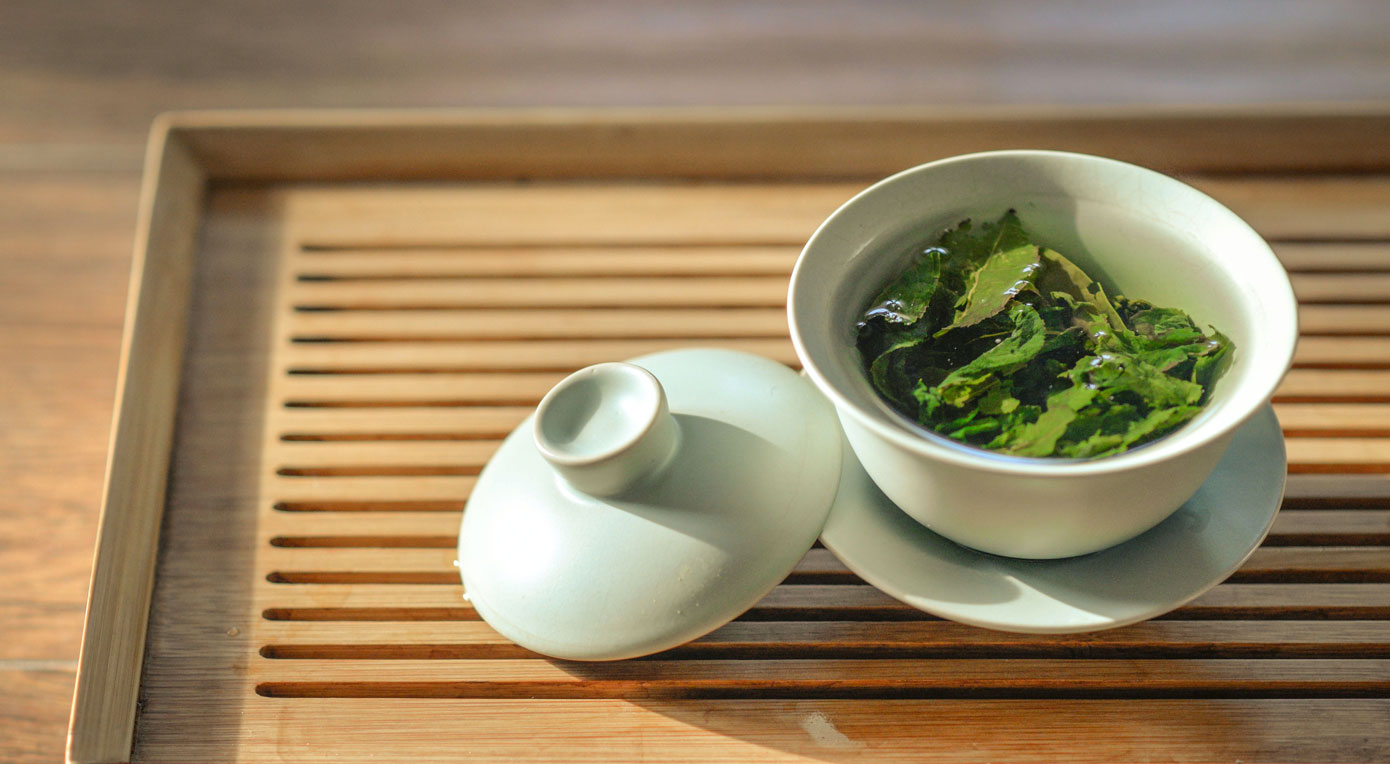
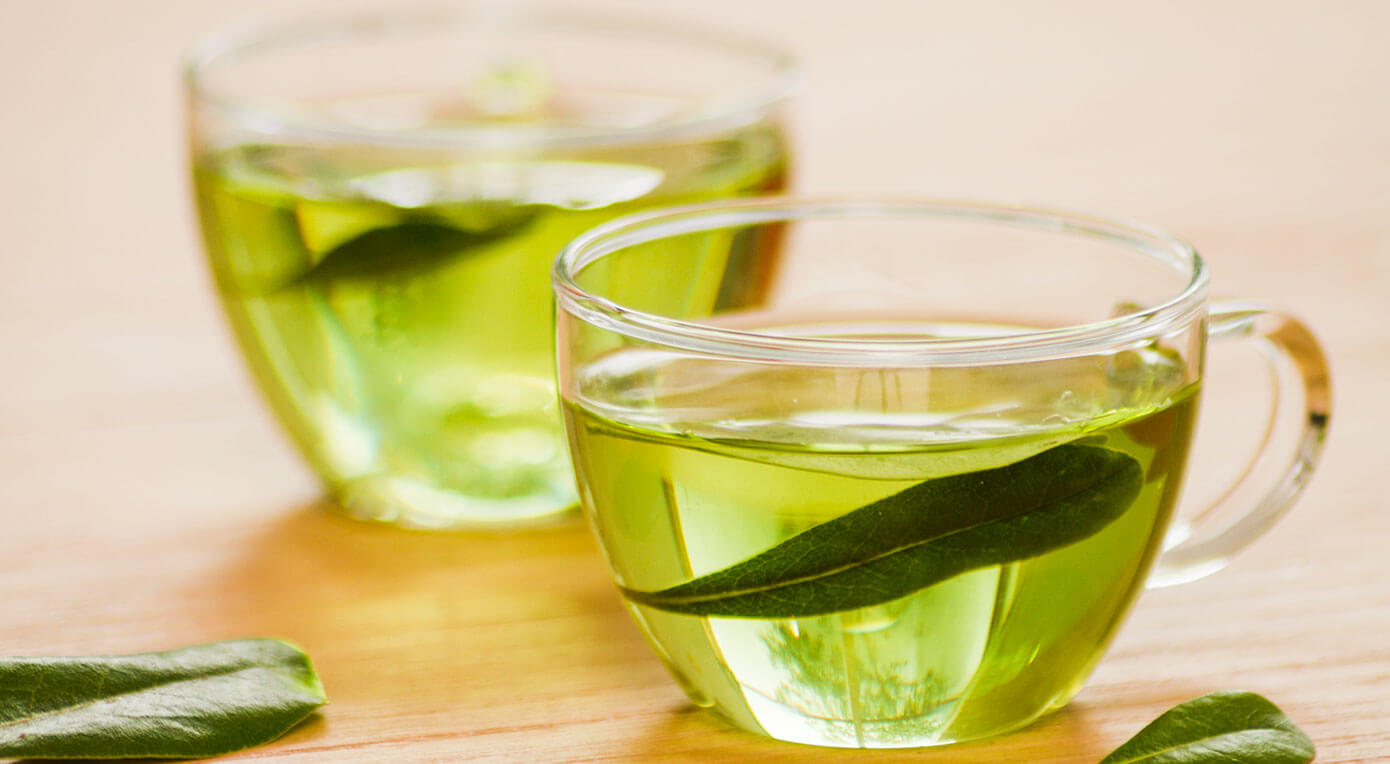
Green tea starts out as water, obviously. Once it’s steeped, it takes on that pretty pale yellow-green tint, like a soft watercolor wash, not a solid splash of color.
Do note, the how long and how many times you steep your tea affects the final look and flavor.
It’s not cloudy (unless you overbrew or use a powder like matcha), and it doesn’t have pulp, chunks, or anything you’d need to chew. It feels clear. It looks clear-ish.
But here’s the twist: in medical or nursing settings, “clear” doesn’t mean colorless. It means “transparent.”
If you can shine a light through it and still see, it usually passes the test. So yes, most brewed green teas do count as clear liquids, especially if they’re not sweetened, cloudy, or full of cream or dairy.
Think plain, light-steeped, no-milk, no-honey green tea. Just the tea leaf and the water doing their quiet little dance.
When Green Tea Isn’t a Clear Liquid
Sometimes green tea decides to be a little more dramatic.
Like when you:
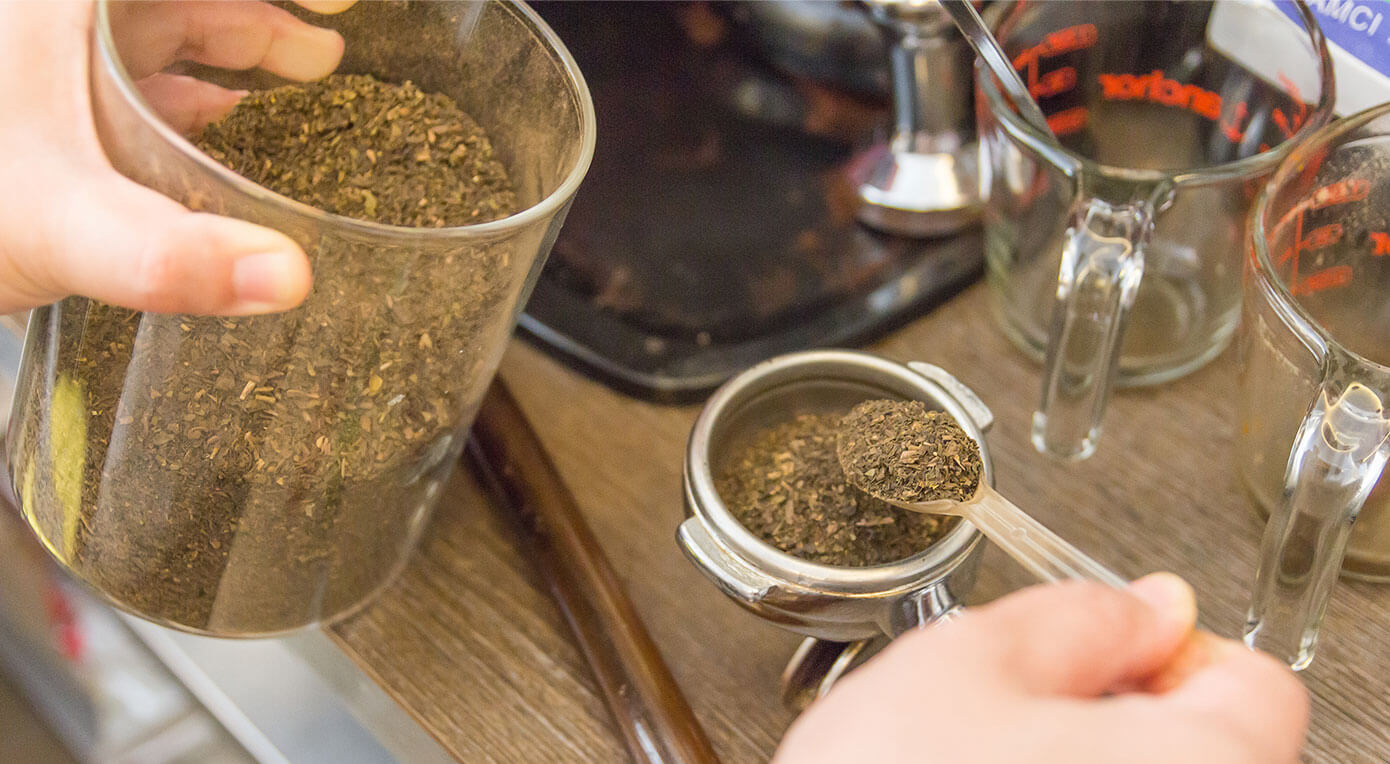
- Brew it too long and it turns your green tea into murky green-brown with bitter taste
- Stir in honey, cream, or your favorite dairy-free alternative
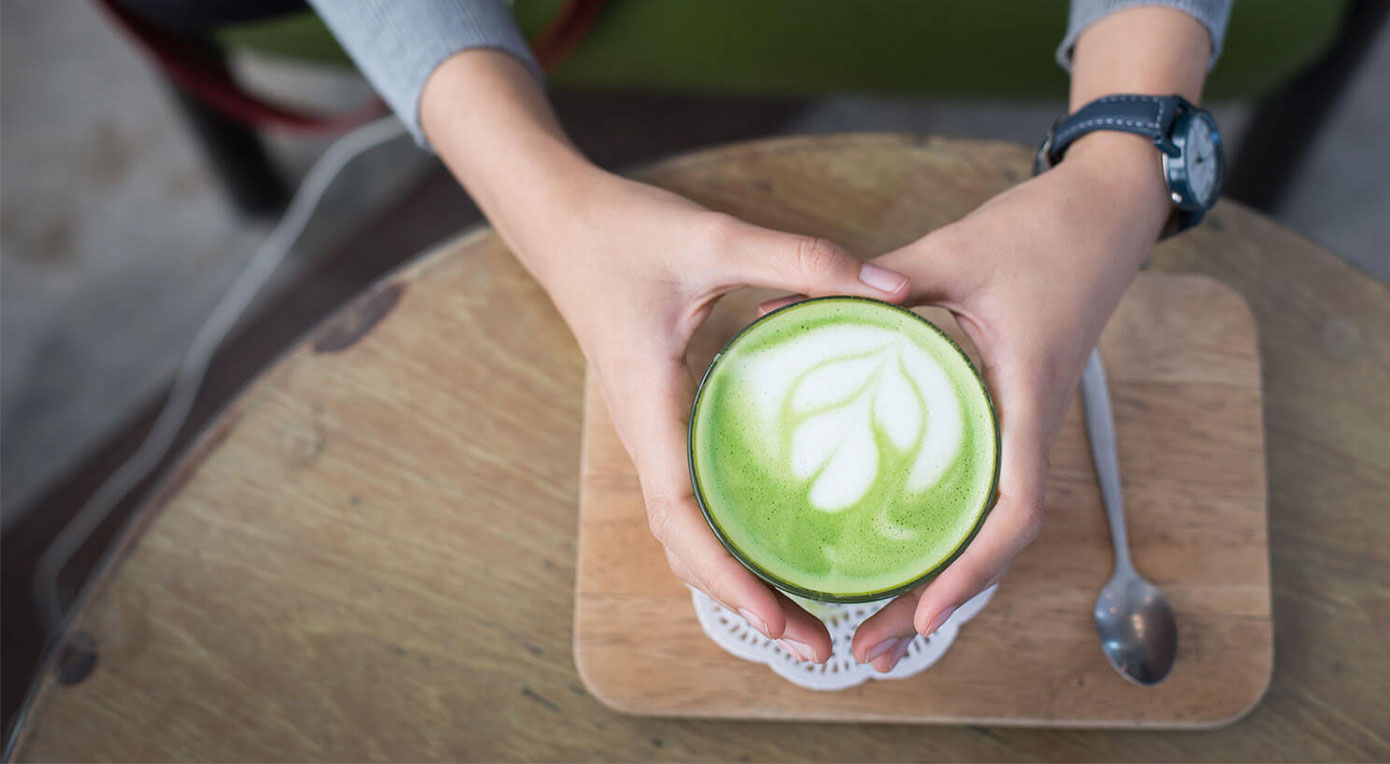
- Use powders like matcha (still magical, just not “clear” by definition)
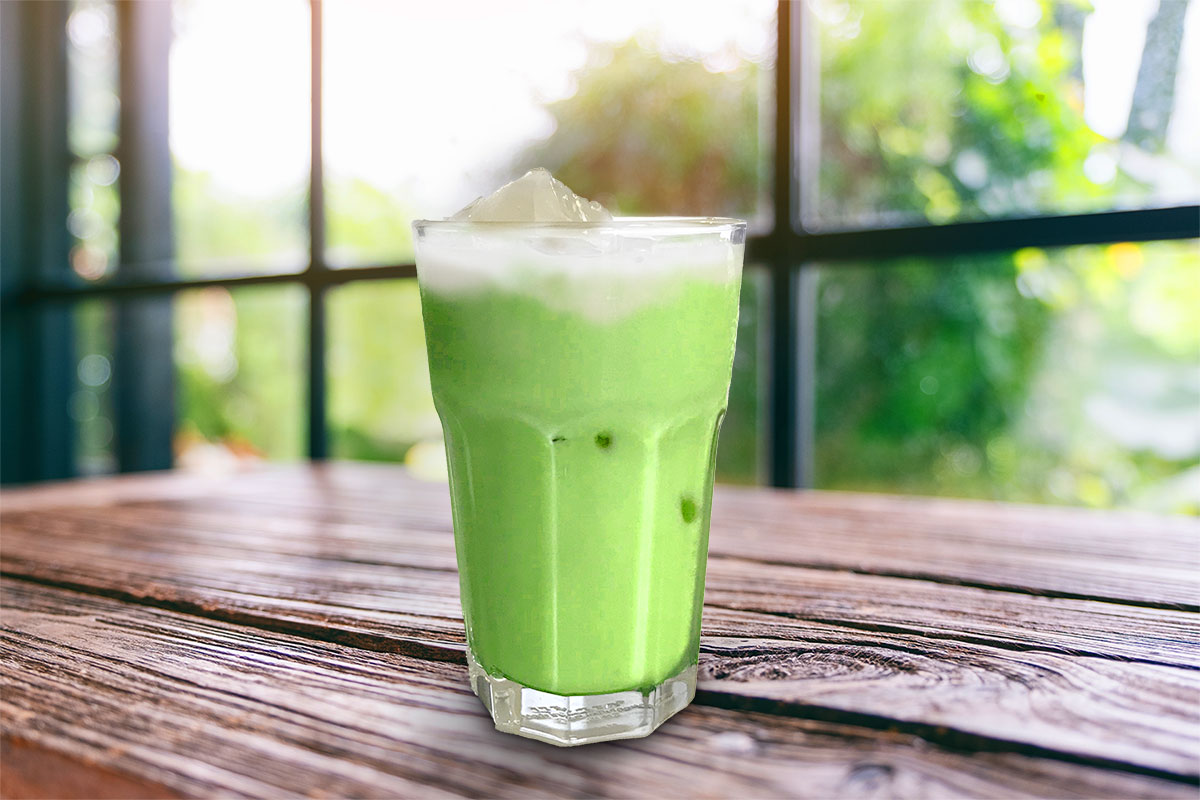
- Pour it over ice with apple juice or a splash of ginger ale (delicious, but not ideal if you’re following a “clear liquid” diet)
Basically, if you can’t see through it, or it looks like a potion from a fantasy novel, it’s probably not going to make the medical cut.
Other drinks that do often count as clear liquids? Think broth (like veggie or chicken soup), juice like cranberry juice, grape juice, or apple juice (as long as they’re pulp-free), and options like sports drink, sprite, or even gatorade.
Yes, even some colorful fruit drinks qualify, as long as they’re transparent.
But once you start mixing in thicker vegetable blends, smoothies, or creamy drinks, you’re stepping out of “clear” territory.
Little Rituals, Big Joys
Even though this started as a random curiosity, it made me appreciate my tea ritual a little more.
I steep loose leaf in a tiny glass teapot I found at a flea market last fall (still one of my favorite finds, so cute, right?), and I keep a wooden tray by the window just for my mug and a cloth napkin.
Nothing fancy, but it makes the moment feel special.
If you’re into that soft ritual vibe too, here are a few easy upgrades:
- A glass teacup so you can admire the color and clarity
- A tiny ceramic dish for your used tea bag or infuser
- A linen tea towel in sage or blush, just for the charm of it
- A slice of ginger or lemon for flavor and a boost of nutrition
These little details aren’t essential, of course. But they turn a quick drink into a calm pause. And on days when everything feels like too much, that quiet sip can feel like a soft restart.
Also, if you’re watching your diet or supporting weight loss, a cozy cup of green tea can feel like a gentle win, no extra sugar, and packed with subtle nutrients that support health without effort.
Final Sip
So yes, green tea can be a clear liquid, as long as you keep it simple. No milk, no cloudy powders, just a gentle brew and maybe a slice of lemon if you’re feeling extra.
And if you’re drinking it for health reasons, or prepping for something big (like my cousin’s surgery), just check in with your doc or nurse to be sure.
Otherwise? Sip slowly. Light a candle. Move a cozy pillow into the sunbeam. The tea will wait.
And hey, if you end up adding honey, juice, or a splash of lemonade later just for taste? That’s okay too. Some rules are made to be bent once you’re home and healing.
This website contains affiliate links. As an Amazon affiliate, I earn from qualifying purchases (What’s This?).