
This website contains affiliate links. As an Amazon affiliate, I earn from qualifying purchases (What’s This?).
It all started with a tiny tin box of pastel macarons I picked up from the farmer’s market last spring.
You know the kind, delicate little domes tucked into a kraft paper sleeve, tied with twine and love. I brought them home, set them next to a vase of peonies on my kitchen counter, and immediately thought: I need more of this in my life.
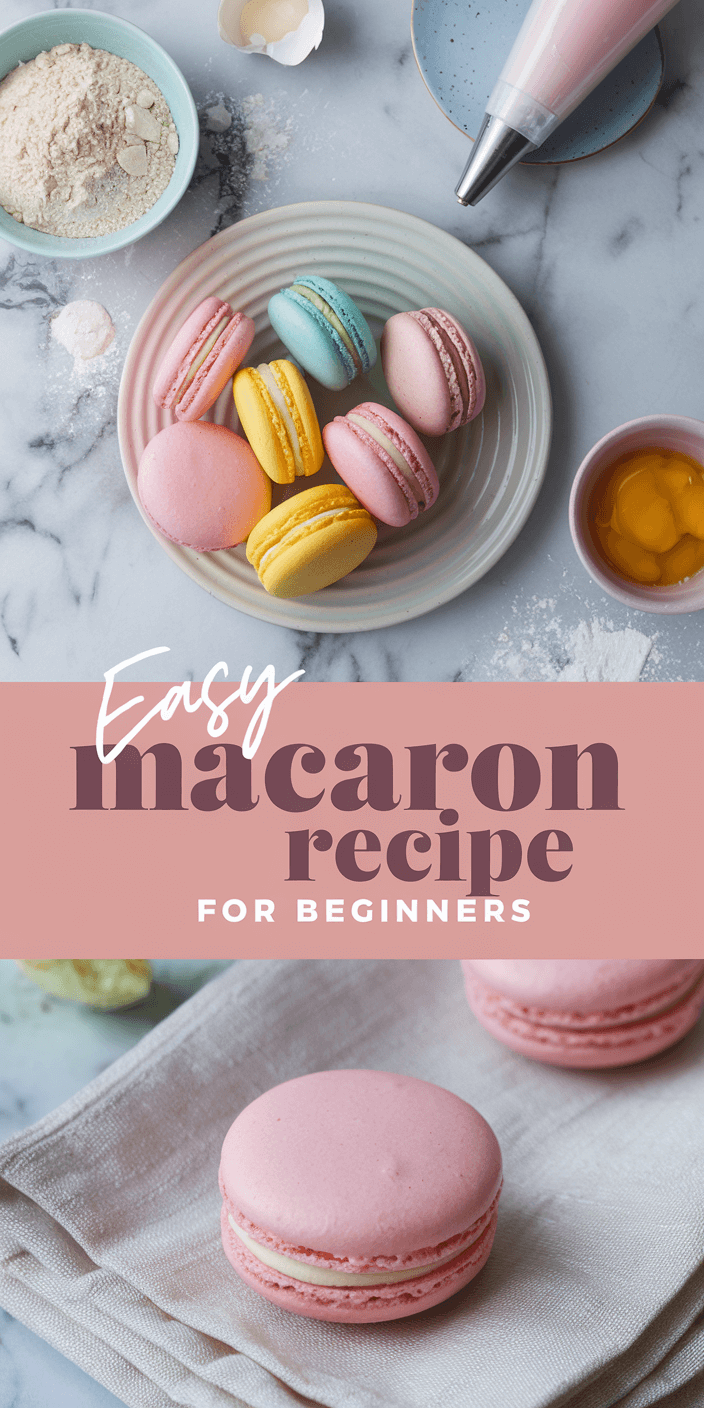
Fast-forward to a rainy weekend, a new linen apron, and me determined to make macarons without losing my mind.
And surprisingly… I did. So if you’ve ever thought “Macarons? Too fancy. Too hard. Too many rules,” this post is for you.
Let’s make it fun, keep it cozy, and aim for delicious, not perfect.
What Are French Macarons, Really?
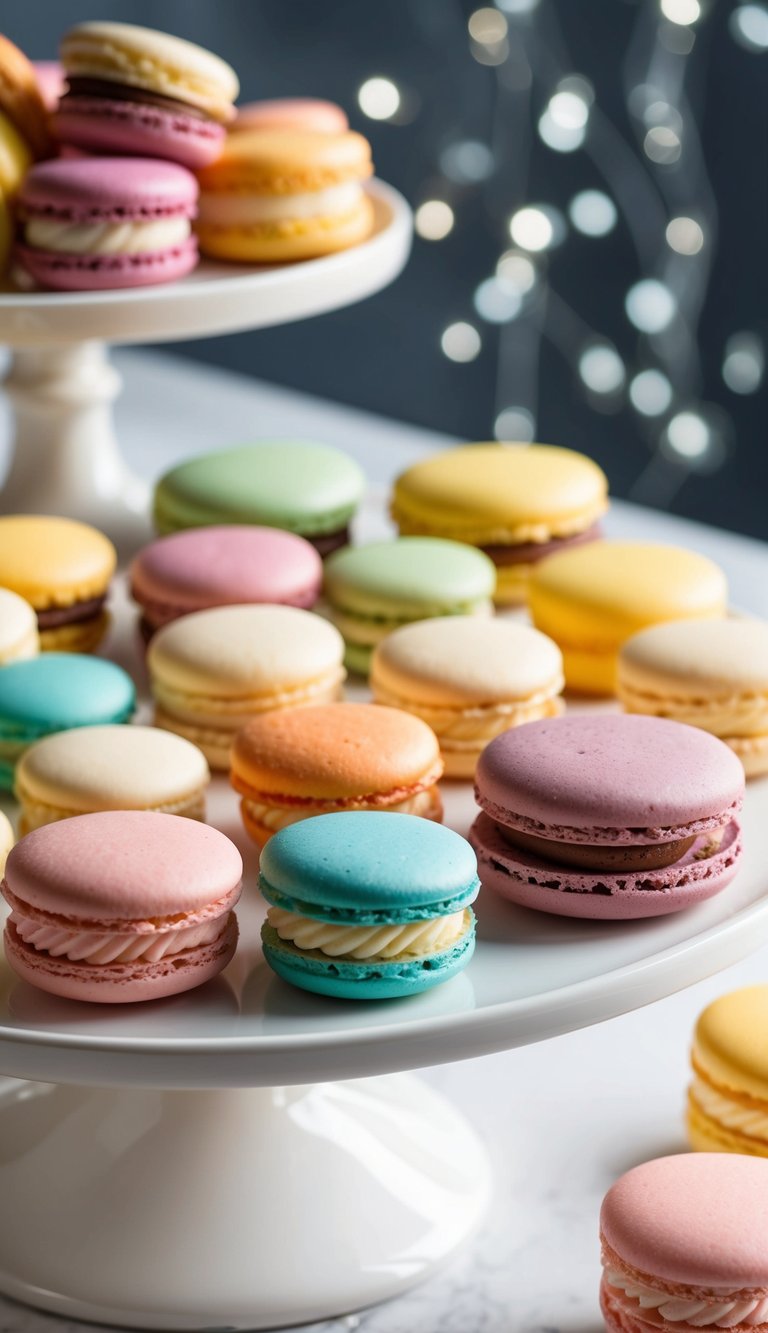
French macarons are delicate cookies made from egg white, almond flour, and sugar.
Not to be confused with macaroons (which use shredded coconut), macarons are known for their crisp exterior, chewy interior, and soft, airy texture.
Each one is like a tiny dessert sandwich, with buttercream, ganache, or jam nestled in the middle.
This classic French treat uses the French meringue method, meaning you’ll whisk the egg whites until stiff peaks form before folding in the dry ingredients. Don’t worry, we’ll walk through it step by step.
What Ingredients Do You Need to Make Macarons at Home?
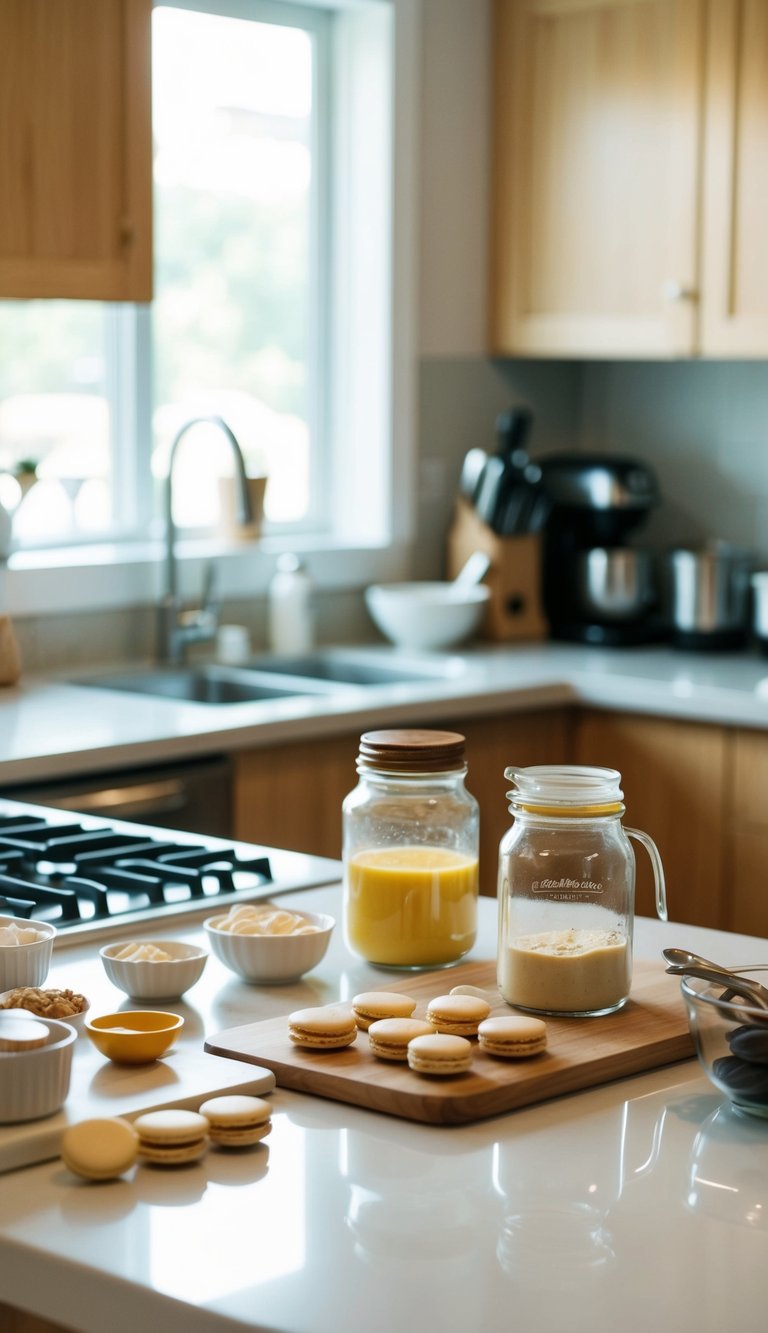
Let’s keep this simple and cozy. Here’s what I used for the basic macaron shells:
Macaron Shells:
- 1 cup finely ground almond flour, sifted (yes, sift it—it matters!)
- 3/4 cup powdered sugar
- 2 egg whites (make sure they’re at room temperature or they’ll be fussy)
- 1/4 cup white sugar
- A little gel food coloring if you want to make them extra pretty (I went with dusty rose, obviously)
Yield: This recipe makes approximately 20-25 macarons (40-50 shells), depending on the size you pipe.
For the macaron filling, a simple buttercream works beautifully:
- Half a cup of unsalted butter, softened (not melted—just nice and soft)
- 1 and 1/2 cups powdered sugar
- 1 teaspoon of vanilla (or get creative—lemon, raspberry, even a drop of rose water is lovely)
- A splash of milk or cream if you need to thin it out a bit while mixing
Why Almond Flour Matters in Macaron Recipes
Almond flour gives macarons their signature taste and texture. For the best results, choose fine almond flour made from blanched almonds.
It should feel soft, like powder, with no chunks. Almond meal contains almond skin and makes a coarser batter—avoid it.
Start by sifting your almond flour and powdered sugar into the same bowl. I know it feels like a tiny extra step, but it makes all the difference.
It keeps the batter smooth and the shells looking polished. Trust me, skipping it can lead to weird bumps or cracked tops, and no one wants that.
Equipment You Need
A fine mesh strainer or sifter — almond flour loves to clump up, and we’re going for smooth, not lumpy. A quick sift makes all the difference and gives you that silky batter we’re after.
A mixer — hand or stand, either works! I used my trusty little handheld one that’s been with me since my banana bread phase and it held up just fine.
Piping bag with a round tip — but honestly, if you don’t have one, don’t stress. I grabbed a freezer bag, snipped the corner, and it worked like a charm.
A bit of patience — this is the part where you let the shells rest before baking. I usually clean up the kitchen, light a candle, or put on a good playlist while I wait. It makes the whole thing feel more like a moment.
| Item | Why I love it |
|---|---|
| This reusable silicone baking mat | No parchment waste, easy cleanup, perfect circles. |
| Wilton round piping tip (No. 12) | Makes neat little domes every time. |
| Dusty rose food gel | My go-to for that muted bakery pink. |
| Mini gold tongs | For picking them up without smudging your perfect top. Just kidding. I use my fingers. But they’re cute on a tray. |
Step-by-step (with no scary bits):
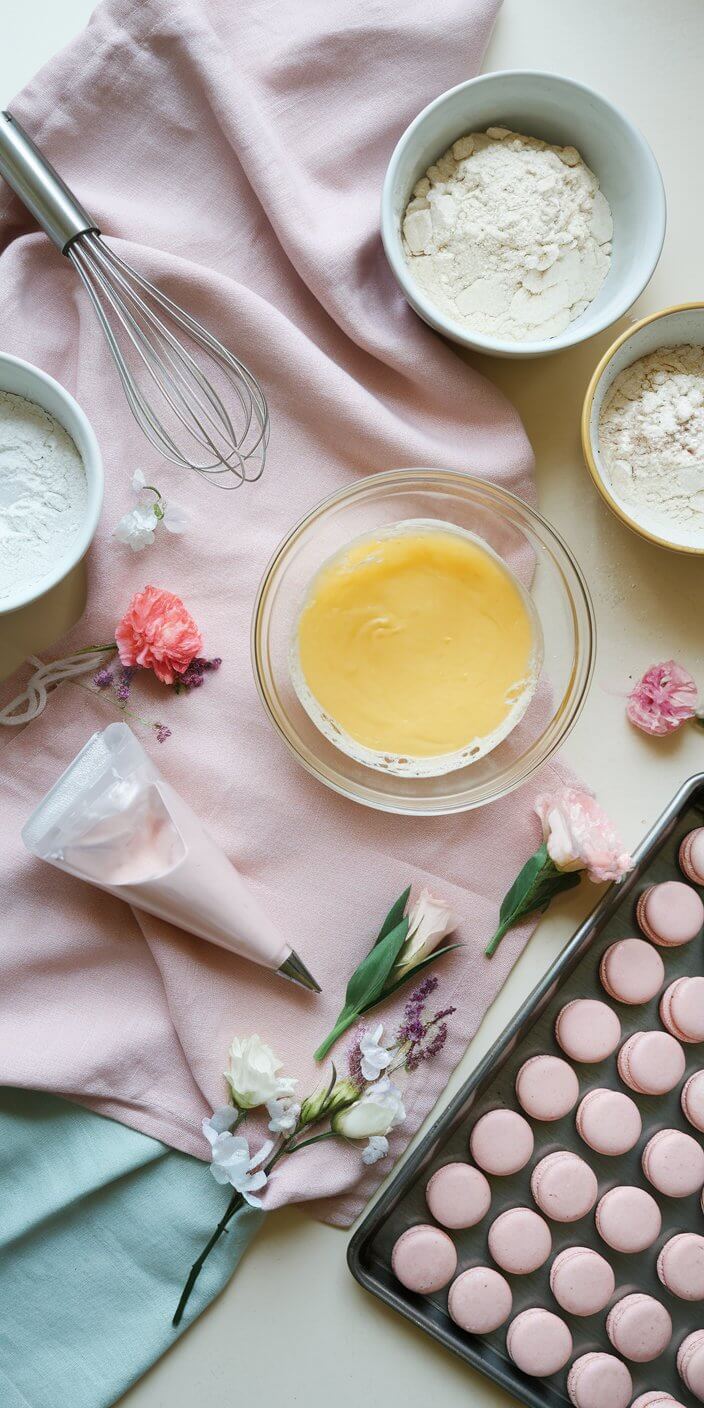
1. Prep your space like you’re hosting a tiny Parisian tea party.
Clean counter, cute playlist, maybe even a candle if you’re feeling extra. I laid out parchment like a picnic blanket and prepped my piping bag ahead of time to avoid mid-recipe scrambling.
Step 2: Give your almond flour and powdered sugar a little sifting
I know, sifting feels like one of those steps you could skip, but don’t. Almond flour can be a bit clumpy, and if you want smooth, glossy macarons, it’s worth the extra minute.
Just sift them into the same bowl so they’re light and airy and ready to fold in later.
Step 3: Time to whip those egg whites into shape
Grab your mixer and start beating the egg whites until they get nice and foamy, like the top of a bubble bath. Once they look airy, slowly add in your sugar while still mixing.
You’ll notice the texture start to change, it gets shiny and a little thicker as it whips. Just keep going until the peaks stand up on their own when you lift the mixer.
They should look smooth, hold their shape, and have that confident little swirl at the tip. Basically, they should look like they know they did a good job.
How to Whisk Egg Whites to Perfect Stiff Peaks
The key to successful macaron batter is whipping your egg whites just right. Start with a clean bowl (no grease!) and room-temperature egg whites. Begin mixing on low, then gradually increase the speed.
As soon as the egg whites start to look frothy, begin adding your granulated sugar little by little, along with a pinch of cream of tartar to help keep the meringue stable.
Keep mixing until the texture becomes glossy and thick. You’ll know it’s ready when you lift the whisk and the peaks stand tall without falling over.
4. Fold it all together.
Gently fold the dry mix into the whipped whites. It should be smooth, glossy, and flow like lava. Too stiff and it won’t pipe nicely. Too runny and they’ll spread like pancakes.
I like to count to 40 folds and do a little figure-eight test with my spatula. If it ribbons slowly, you’re golden.
5. Pipe little circles onto your tray.
Try to keep them the same size. I traced circles on parchment underneath and felt very fancy. Tap the tray a few times on the counter to get air bubbles out—this part is oddly satisfying.
6. Let them sit.
Yes, just… wait. 30 minutes to 1 hour until they’re dry to the touch. This is how you get that classic macaron “foot.” I used this time to tidy the kitchen, then promptly ignored it and scrolled Pinterest instead.
7. Bake at 300°F (150°C) for 14-16 minutes.
They should come out smooth, lifted, and proud. If they cracked, don’t worry. Just call them rustic. Still delicious.
8. Cool completely, then fill and sandwich.
Whip your buttercream, pipe a little dollop in the center of half the shells, and top with the others. I store them in the fridge overnight so they get that perfect chewy center. But no judgment if you eat three immediately.
Flavor Ideas to Try Later (Once You Fall in Love Like I Did):
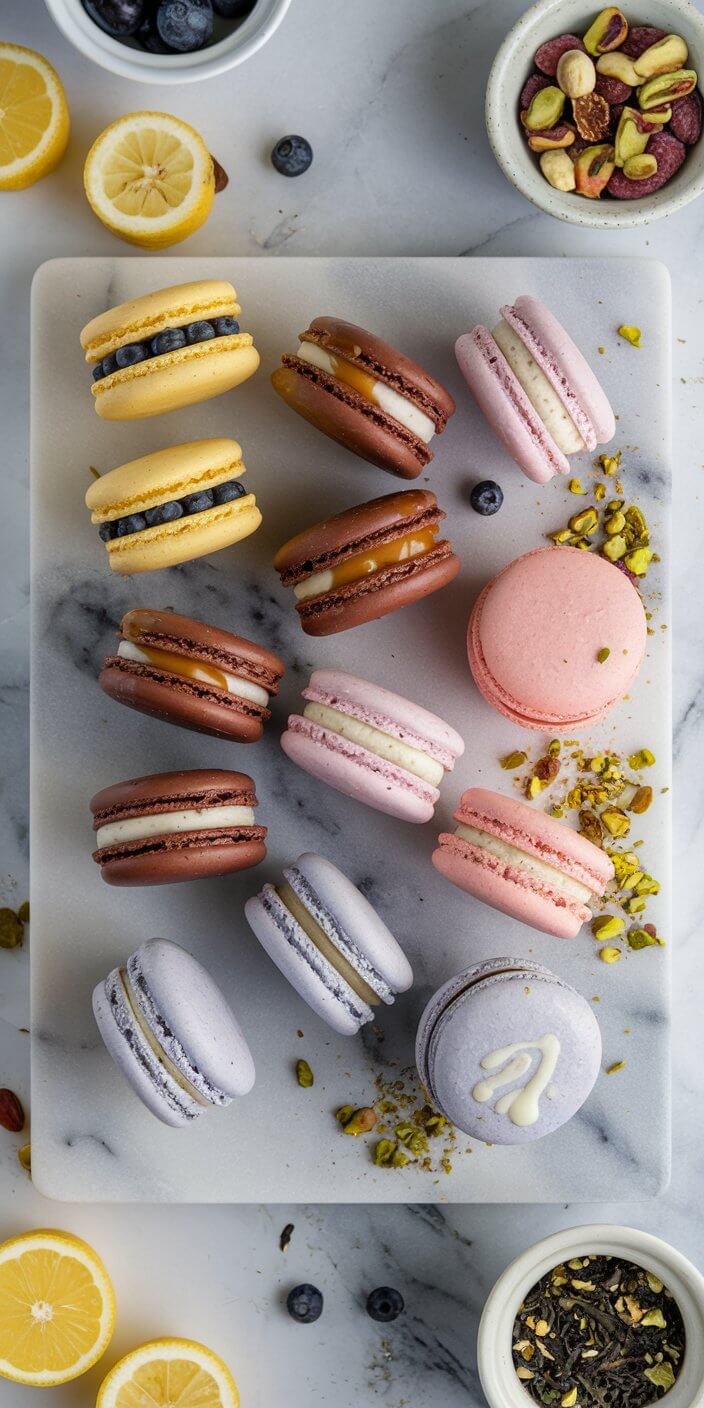
Lemon shells + blueberry buttercream
Chocolate shells + salted caramel filling
Rose shells + pistachio buttercream
Earl Grey shells + vanilla bean filling
So cute, right?
What’s the Right Consistency of Macaron Batter?

Here’s where things get a little tricky. You’ll gently fold the almond flour mixture into the whipped egg whites using a spatula. This step is called the macaronage.
The goal? Batter that flows like lava. Not too runny, not too stiff. You should be able to draw a figure-eight with your spatula without the batter breaking. This part is all about patience and feel—trust your instincts.
Tips for Piping Macaron Shells Like a Pro
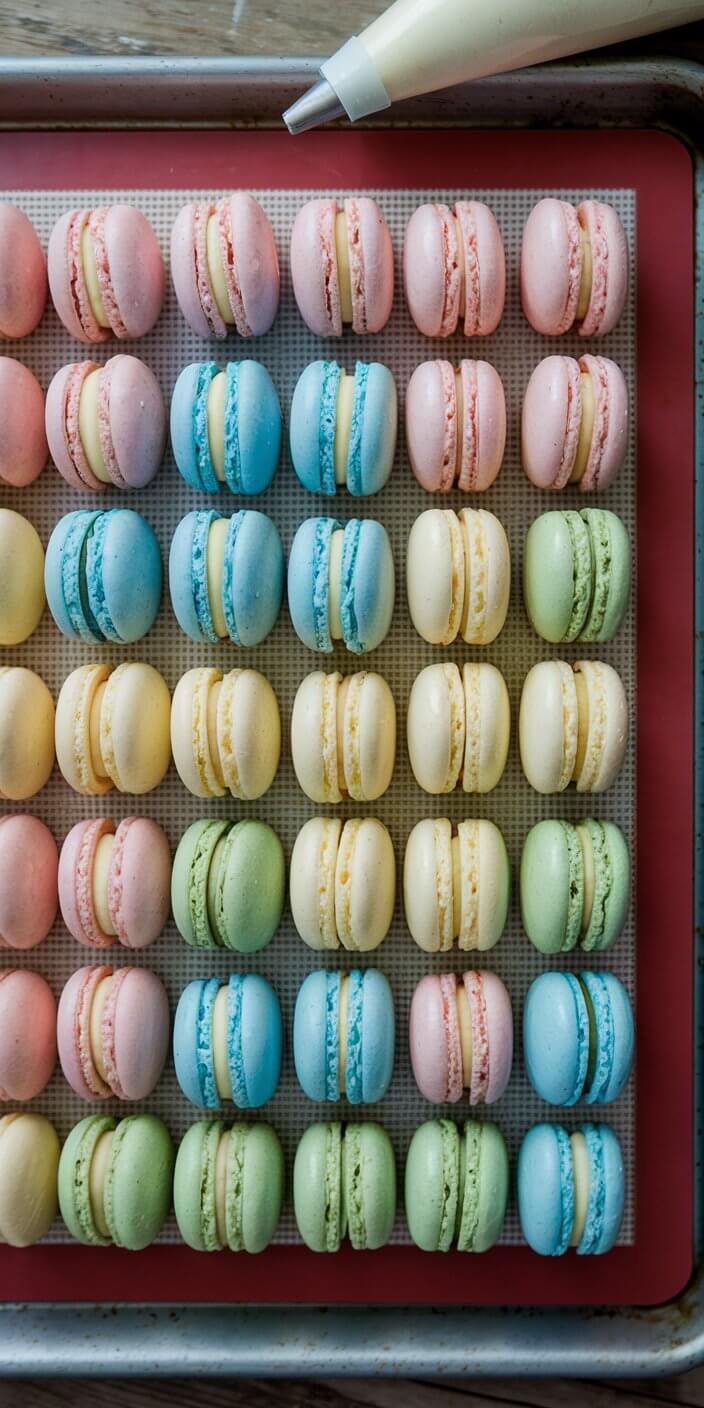
Carefully spoon your macaron batter into a piping bag fitted with a round tip. No piping bag? A zip-top bag with the corner trimmed off works in a pinch.
Hold the bag straight up and squeeze out small circles onto a tray lined with parchment or a silicone mat. I try to keep each one the same size so they pair up nicely later when it’s time to fill.
After piping macaron shells, gently tap the baking sheet on the counter a few times. This helps pop any air bubbles and smooth out the tops. Use a toothpick to pop visible bubbles if needed.
How Long Should Macarons Rest Before Baking?
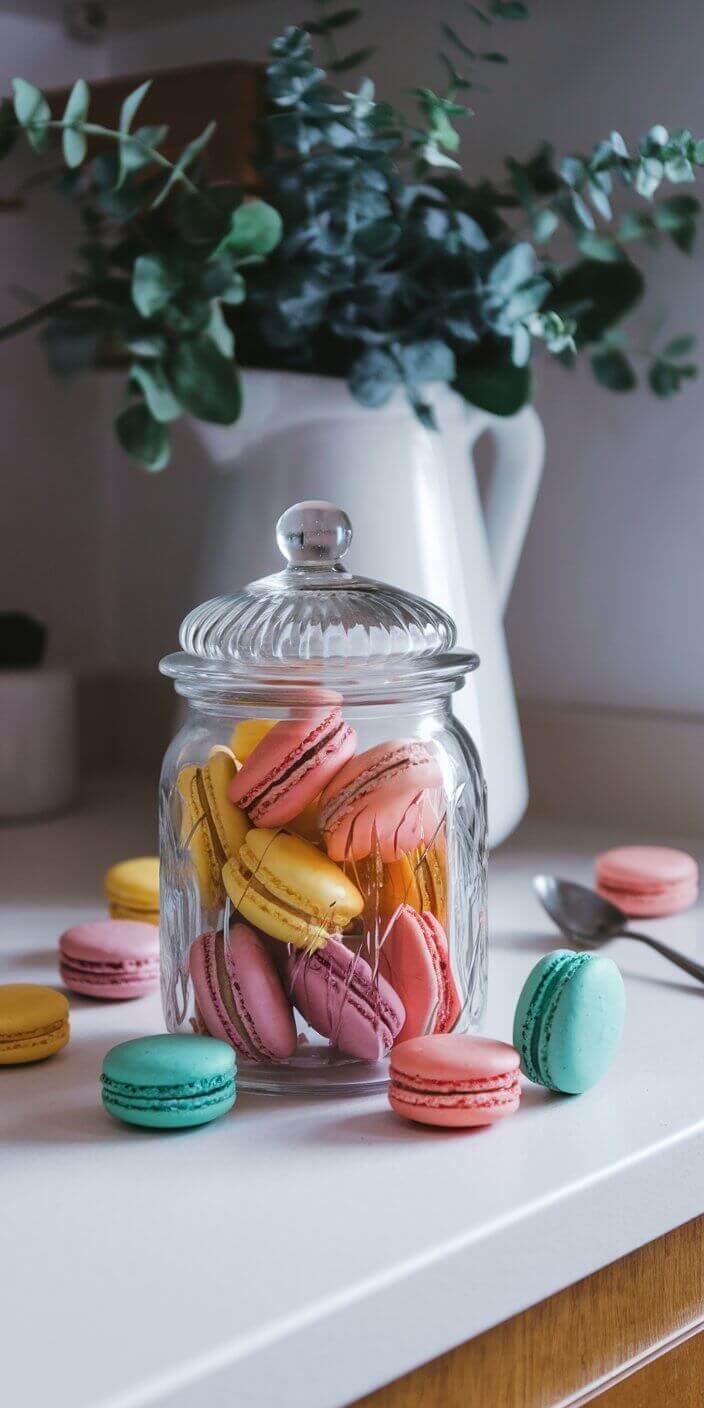
After piping, allow the macarons to rest on the counter for 30 to 60 minutes. You’re looking for them to form a skin on top, they shouldn’t stick to your finger when lightly touched.
Letting macarons dry before baking is what gives them their signature “feet” (that cute ruffled edge at the bottom of each shell). Skipping this step can lead to cracked tops or flat cookies.
Troubleshooting Common Macaron Mistakes
Making macarons can be a little fussy, especially the first time. Here are a few issues you might run into:
Cracked shells: Usually from under-mixing, skipping the rest period, or baking at the wrong temperature. Use an oven thermometer to check.
Hollow shells: Often caused by over-mixed macaron batter or baking too hot.
No feet: Batter may have been too wet or rested too briefly.
Don’t give up—every batch teaches you something new.
How to Fill and Store French Macarons
Once the shells cool completely, pair similar-sized ones together and pipe your buttercream (or favorite macaron filling) into the center of one shell. Gently press the second shell on top.
Filled macarons taste best after resting in the fridge overnight. This helps the flavors meld and gives you that perfect chewy center. You can also freeze macarons for later—they hold up surprisingly well.
Final thoughts from a first-time macaron maker
Here’s the thing: they don’t have to look like Ladurée to taste amazing. Mine were a little lopsided the first time, but they made my whole kitchen smell like sugar and almonds and joy.
I plated them on my grandmother’s old china and served them with tea in my favorite cracked mug. It felt like a tiny celebration on a regular Thursday.
So if you’ve been waiting for the “right” moment to try baking macarons—this is it. Light a candle. Put on your softest socks. Make a sweet little mess in your kitchen.
And remember: it’s not about perfection. It’s about making your home feel full of love and buttercream.
Let me know if you try it. I’ll be the one cheering you on with flour in my hair.
Frequently Asked Questions
I often get questions about making macarons. Here are some common inquiries that can help you understand the process better and improve your macaron-making skills.
Can I make macarons without almond flour?
Yes, you can use other nut flours like hazelnut or sunflower seed flour if you want a different flavor or if you need a nut-free option. Just keep in mind that the texture might vary.
What are the essential ingredients for making macarons?
The main ingredients I need are almond flour, powdered sugar, egg whites, and granulated sugar. These create the delicate texture and sweetness that make macarons so special.
What’s the secret to perfect macarons every time?
One key is to age the egg whites for a day or two. This helps remove moisture. I also recommend sifting the almond flour and powdered sugar to get a smoother batter.
Is cream of tartar a must-have in macaron recipes?
No, it’s not a must-have, but cream of tartar can help stabilize the egg whites. If you choose to use it, a small amount can make a difference.
How do you achieve the perfect meringue for macaron shells?
I whip the egg whites to soft peaks before gradually adding sugar. This helps create a strong meringue. It’s crucial to stop whipping at the right time to avoid drying it out.
What are some filling options for homemade macarons?
I love using buttercream, ganache, and fruit jams for fillings. Each adds a different flavor and texture, making my macarons even more enjoyable.
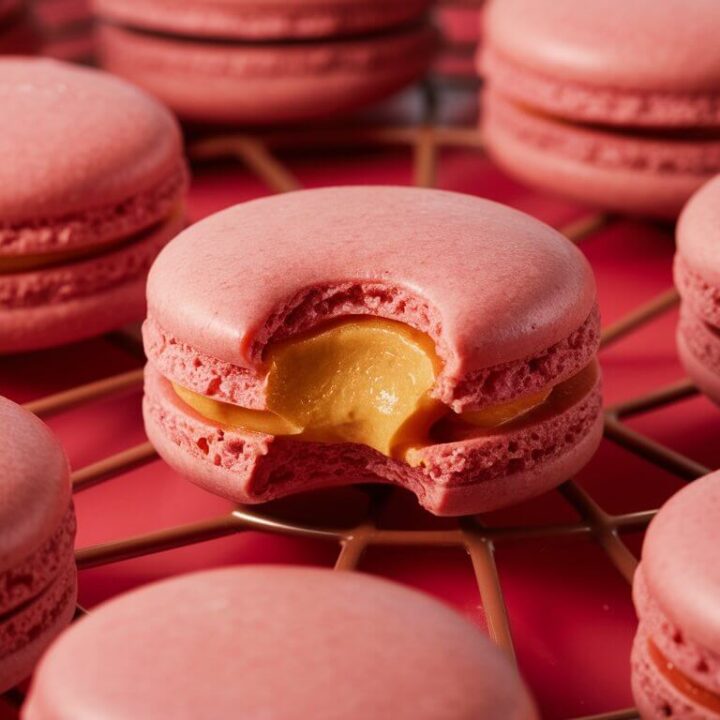
Macaron Recipe for Beginners
This beginner-friendly recipe walks you through making French macarons from scratch, with no complicated steps, just delicious results. You'll learn how to make smooth almond flour macaron shells with a perfect chewy center, topped with a simple, customizable buttercream filling. The recipe uses basic ingredients, and with a bit of patience, you'll create stunning macarons that are a true treat to make and eat. Whether you're new to baking or just want a fun kitchen project, this guide is for you!
Ingredients
Macaron Shell
- 1 cup finely ground almond flour, sifted
- 3/4 cup powdered sugar
- 2 egg whites (room temperature)
- 1/4 cup white sugar
- Gel food coloring (optional)
For the Macaron Filling (Simple Buttercream):
- 1/2 cup unsalted butter, softened
- 1 1/2 cups powdered sugar
- 1 teaspoon vanilla (or a flavor of your choice, such as lemon, raspberry, or rose water)
- A splash of milk or cream (if needed to adjust consistency)
Instructions
- Prep Your Space
Clean your counter, set up a cute playlist, and light a candle if you're feeling extra. Lay out parchment paper like a picnic blanket and prep your piping bag to avoid mid-recipe scrambling. - Sift Almond Flour and Powdered Sugar
Sift the almond flour and powdered sugar into the same bowl. This step ensures a smooth, lump-free batter. - Whisk Egg Whites to Stiff Peaks
Using a clean mixer, whip the egg whites until they’re frothy. Gradually add sugar while mixing. Continue until the peaks stand tall and look glossy. They should hold their shape when you lift the mixer. - Fold in the Dry Ingredients
Gently fold the sifted almond flour and powdered sugar mixture into the whipped egg whites. Be patient! The batter should flow smoothly like lava. If it’s too stiff or too runny, you may need to adjust the folding technique. - Pipe the Macaron Shells
Spoon the batter into a piping bag and pipe small, even circles onto a baking tray lined with parchment paper. Tap the tray gently on the counter to release any air bubbles. - Let the Macarons Rest
Allow the piped macarons to rest for 30-60 minutes until the tops are dry to the touch and don’t stick to your finger. - Bake
Preheat your oven to 300°F (150°C) and bake the macarons for 14-16 minutes. They should come out smooth with that iconic "foot" (the ruffled edge). - Cool and Fill
Once the shells cool completely, pair similar-sized ones together. Pipe a dollop of buttercream (or your preferred filling) into the center of one shell, and top with the other to form a macaron sandwich.
Let the macarons rest in the fridge overnight to achieve the perfect chewy center. Enjoy your homemade macarons!
Notes
- Sifting Almond Flour and Powdered Sugar: This step ensures a smooth, lump-free batter, which is crucial for achieving the perfect macaron texture. Don’t skip it!
- Whisking Egg Whites: Make sure your egg whites are at room temperature and that your mixing bowl is free of any grease. Whisk until you reach stiff peaks, which will give your macarons their signature rise.
- Macaronage (Folding the Mixture): When folding the dry ingredients into the egg whites, aim for a smooth, glossy batter that flows like lava. It should be thick enough to hold its shape but not too runny. If you can draw a figure-eight with your spatula without the batter breaking, it’s the right consistency!
- Resting the Shells: Let the piped macaron shells rest for 30-60 minutes until the tops are dry to the touch. This step is essential for getting that signature "foot" and preventing cracks during baking.
- Baking Temperature: Always use an oven thermometer to ensure your oven is at the correct temperature, as baking at the wrong temperature can cause cracks or hollow shells.
- Filling and Storing: Once cooled, pair the macaron shells and pipe the filling into the center. Allow the macarons to rest in the fridge overnight for the best texture and flavor, but they can also be enjoyed immediately.
These notes will help guide you through any tricky steps and ensure your macarons turn out perfect!
Nutrition Information:
Serving Size: 1Amount Per Serving: Calories: 90Total Fat: 4gSaturated Fat: 1gCholesterol: 15mgSodium: 20mgCarbohydrates: 12gFiber: 1gSugar: 9gProtein: 1g
This website contains affiliate links. As an Amazon affiliate, I earn from qualifying purchases (What’s This?).

How many macarons does this recipe typically make?
Hey Kristan, it would be about 20-25 macarons (40-50 shells, depending on the size you pipe). Just realized I didn’t mention it here, will update this in a bit. Thanks for asking and dropping by.