This website contains affiliate links. As an Amazon affiliate, I earn from qualifying purchases (What’s This?).
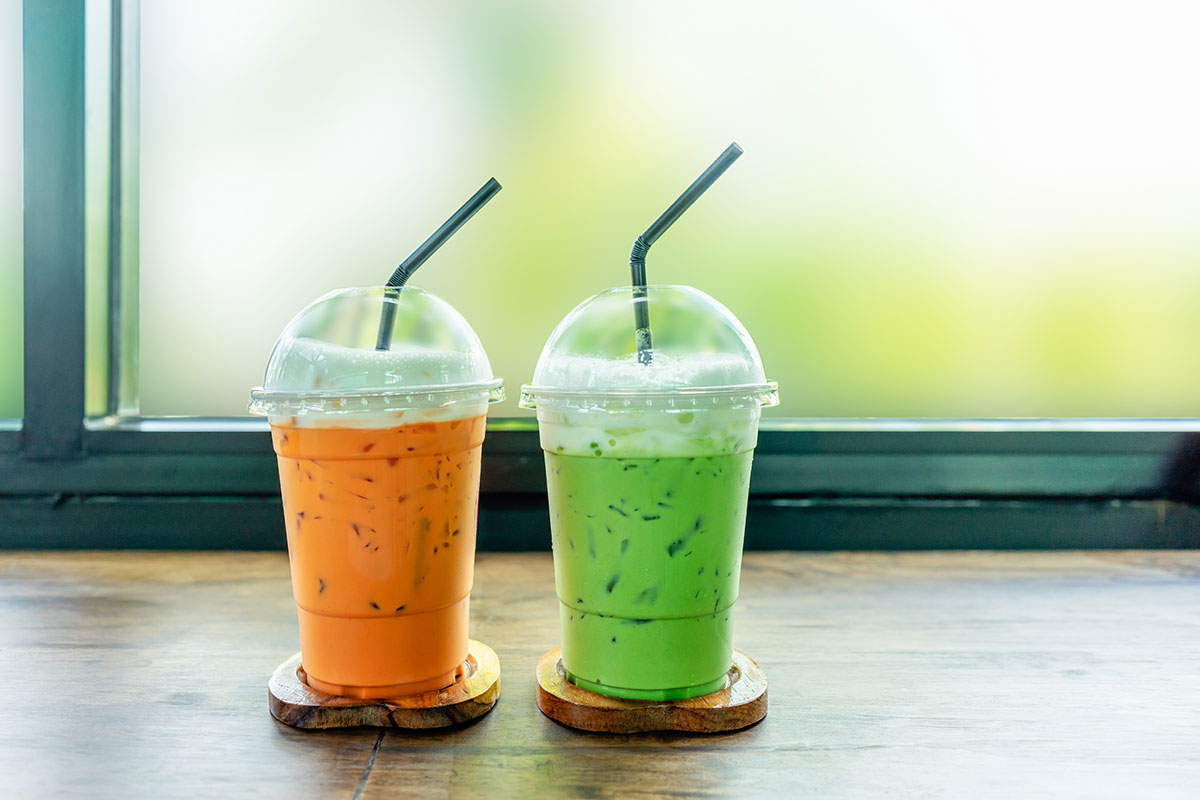
If you’ve seen two beautiful, bright and bold colored teas, one orange and one green, wondering which is green tea vs thai tea, you are not alone.
In this guide, I’ll take you through the seven main differences between Thai tea and green tea Thai-style—everything from their base leaves to how they’re sweetened and served.
We’ll also touch on cultural notes, variations of Thai tea, and even how these drinks show up in Thai restaurants around the world. By the end, you’ll know exactly what you’re ordering and why you might reach for one over the other depending on your mood.
What Is Thai Tea and What Is Green Thai Tea?
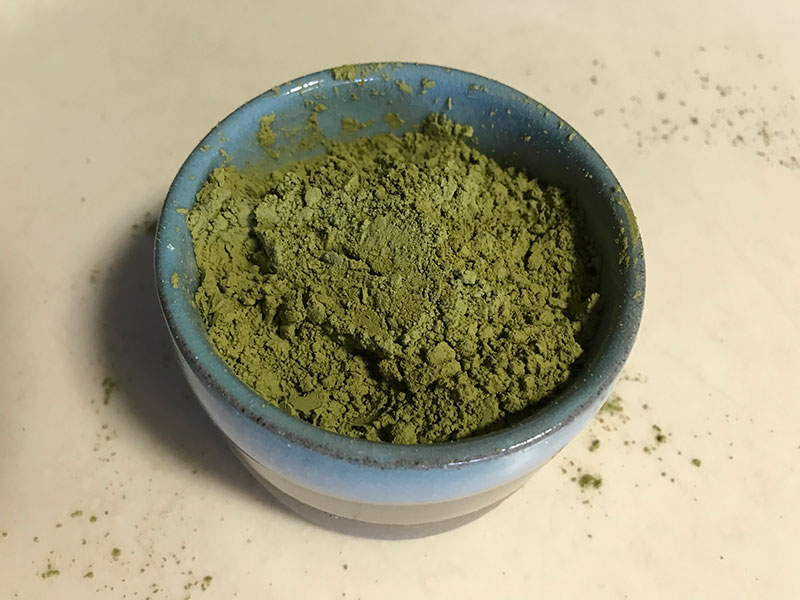
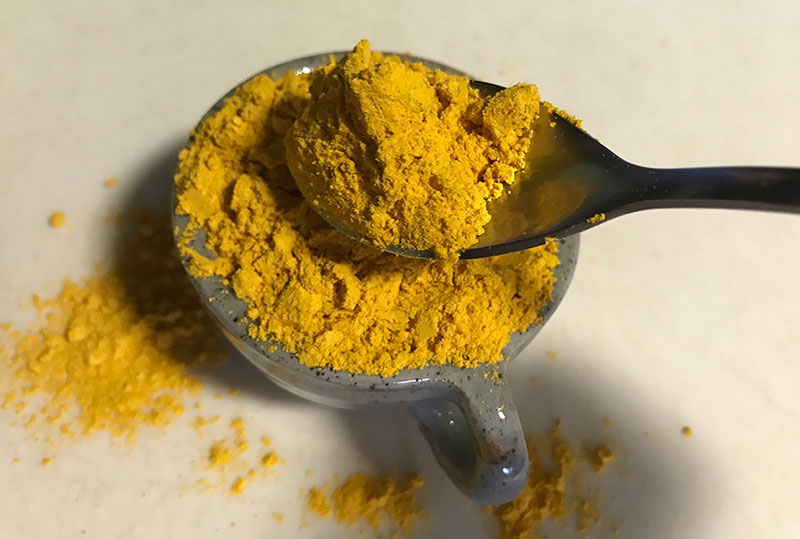
Let’s start simple: what are these drinks at their core? Thai tea is often a mixture of strongly brewed black tea like Ceylon or Assam, blended with spices such as star anise, cardamom, or even tamarind seed.
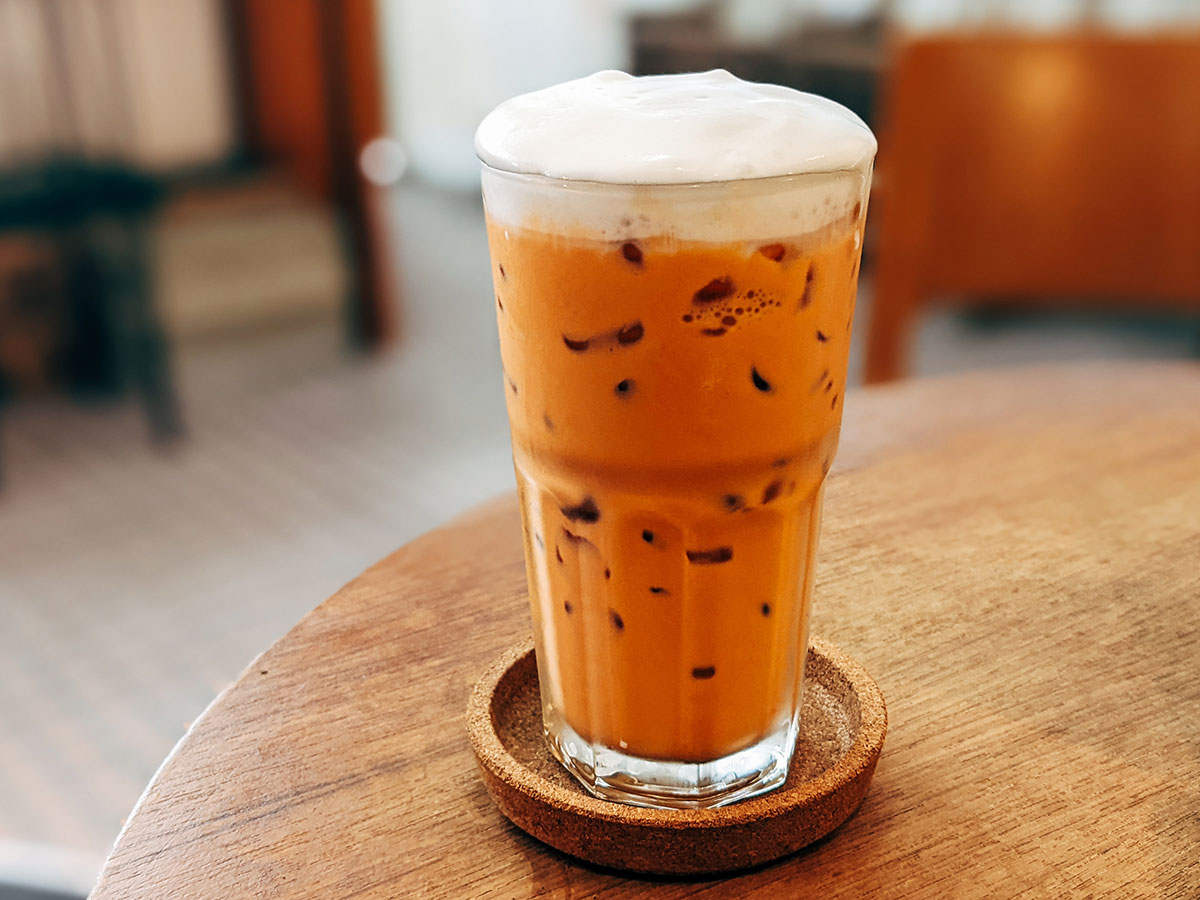
Thai tea normally has an unmistakable orange color, thanks to food coloring added to the tea mix, and it’s nearly always poured over crushed ice.
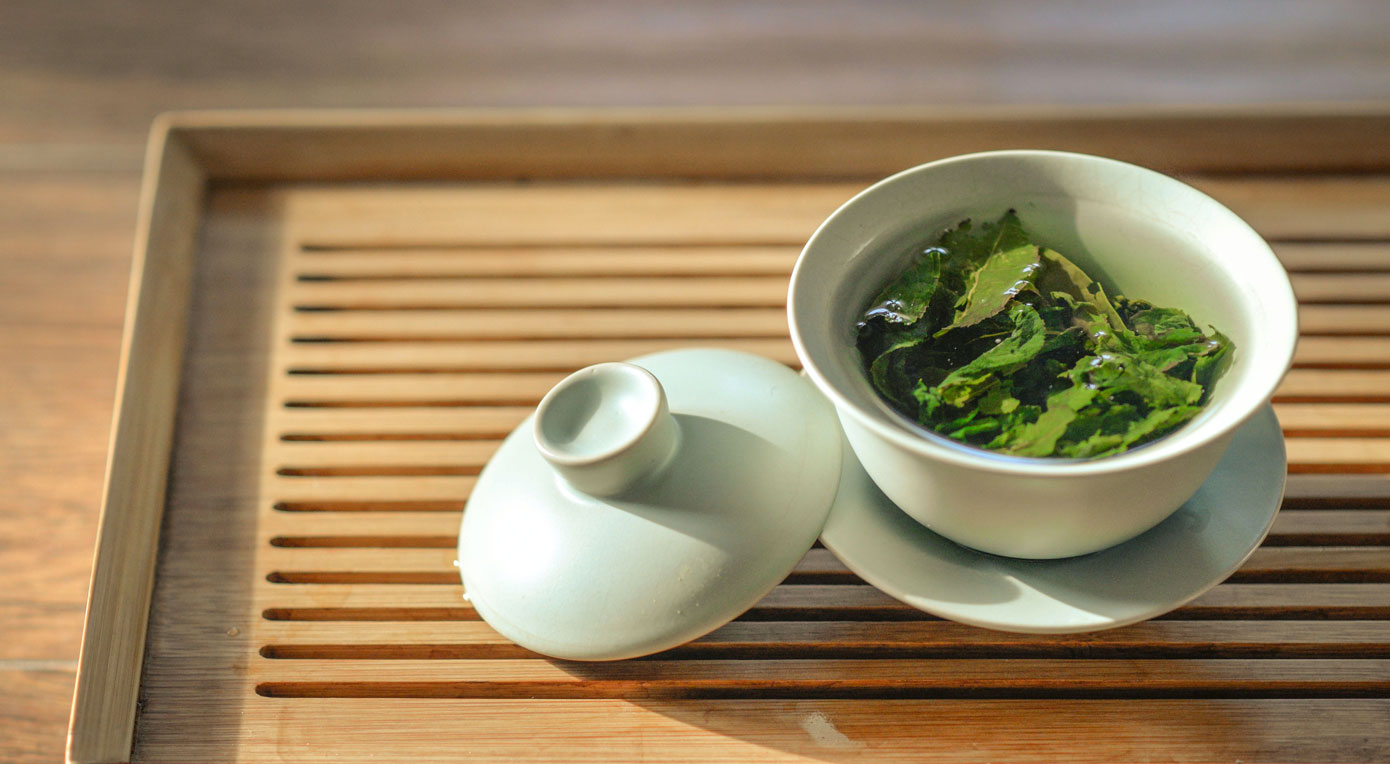
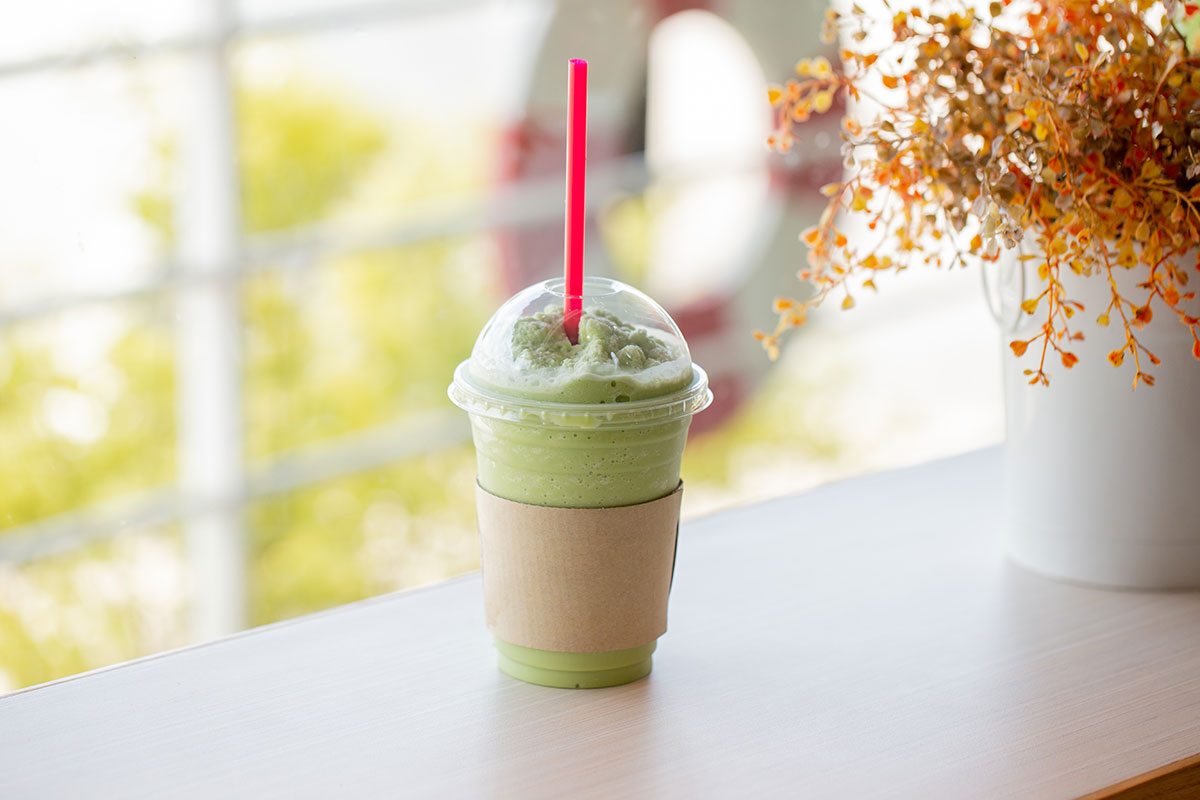
Green Thai tea, on the other hand, begins with green tea leaves instead of black. Instead of spices, it’s often flavored with jasmine or left unadorned to highlight its delicate floral taste.
The green color feels light and refreshing, making it perfect for hot afternoons in Thailand or anywhere you want a softer sip.
When you look at tea and Thai variations side by side, you’ll immediately notice: one leans bold and spiced, the other fresh and floral.
Thai Tea Mix vs Green Tea Leaves: The Tea Base
The tea base sets the stage for everything. Thai tea mix is typically a combination of strong black tea, star anise, and sometimes crushed tamarind to enhance the flavor.
It’s a version of Assam or Ceylon tea designed to stand up to sweetened condensed milk and evaporated milk. That’s why Thai tea is made with such depth—it needs strength to cut through all that creaminess.
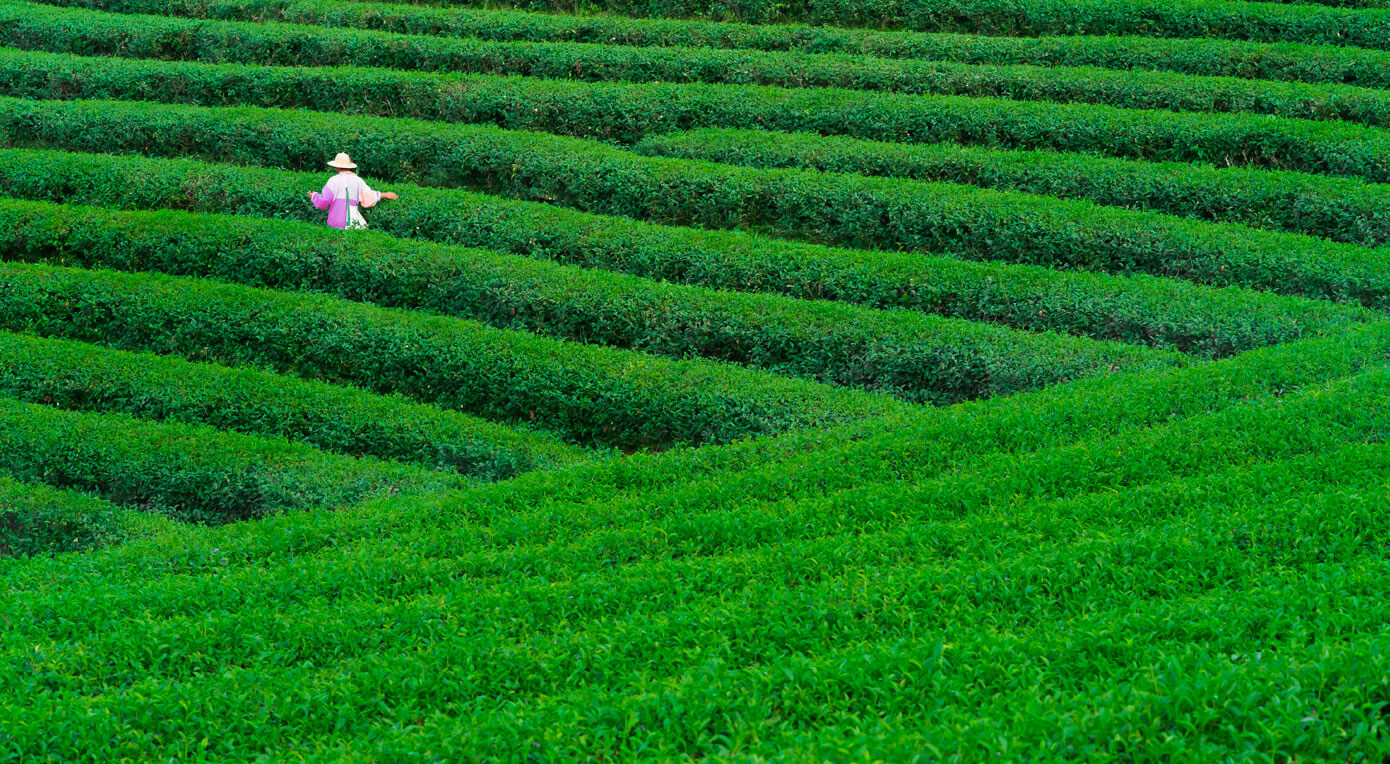
Green Thai tea, on the other hand, uses green tea leaves, often jasmine or locally grown landrace teas from Thailand.
Green milk tea, when prepared Thai-style, still carries that lush green color but with a more delicate, slightly minty edge. The tea and green Thai tea distinction here is clear: one is spiced and robust, the other clean and subtle.
Flavor and Color: Bright Orange vs Pale Green
You can’t mistake them once they’re served in a tall glass. Thai iced tea has that classic bright orange look, often sweetened with sugar and topped with condensed milk or whole milk.
It’s bold, rich, and tastes like dessert in a cup. The flavor and color are part of its signature—tannins in the tea balanced with creamy sweetness, all dressed up with yellow food coloring or even orange blossom water.
Green Thai tea gives you a pale green shade that feels almost serene in comparison. The flavor leans toward a floral taste, sometimes grassy, sometimes with a jasmine note.
Thai green milk tea is typically lighter and less sweet, though you’ll still find it served over ice in tall plastic cups across Thailand.
When you compare green tea vs Thai tea, one has a punch of bold spice while the other whispers softly with green tea’s natural delicacy.
Sweetness and Milk Choices
Thai tea is typically made with sweetened condensed milk and evaporated milk, sometimes a splash of whole milk or even coconut milk for a twist.
The sweetened condensed milk gives it richness while sugar is often added to sweeten further. That’s why classic Thai milk tea feels so decadent—it’s meant to be indulgent.
Green Thai tea, in contrast, can be served with less milk or even without milk, letting the green tea leaves shine.
When milk or coconut milk is used, it’s usually lighter, creating a green milk tea that’s refreshing instead of heavy. Milk tea and Thai green versions each offer a different vibe: cozy dessert vs airy refreshment.
Cultural Roots: Thailand’s Beloved Drinks
Both drinks originated in Thailand, but they play slightly different roles. Traditional Thai tea became popular in the 20th century as tea culture spread from Indian tea traditions and Chinese imports.
The drink Thai people embraced was sweet, creamy, and served over crushed ice to balance the tropical heat. Thai tea is also a staple in Thai food culture—you’ll find it in Thai restaurants worldwide, often paired with spicy dishes to balance heat with cool sweetness.
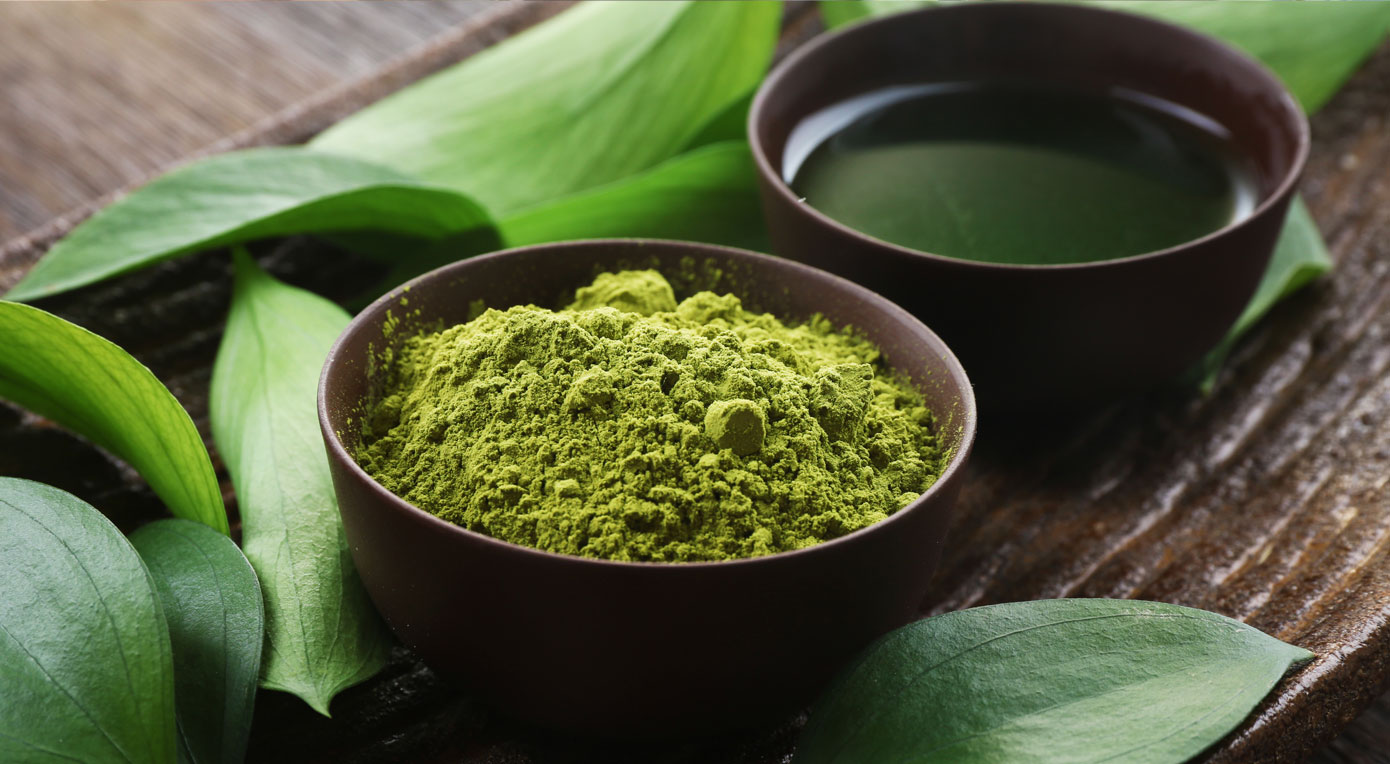
Green Thai tea is a bit newer, sometimes tied to café culture and modern interpretations. It borrows from Japanese green tea traditions like matcha, but with a Thai twist.
You’ll see green Thai tea more often in bubble tea shops or specialty cafés rather than classic Thai street stalls. Still, it’s part of the growing family of tea and Thai variations.
Caffeine Levels and Daily Choices
Here’s where tea vs tea really matters: caffeine. Thai tea, made with black tea, tends to pack more caffeine.
A strong black tea base like Assam or Ceylon is bold enough to keep you alert, which is why Thai iced tea makes such a good afternoon pick-me-up.
Green Thai tea, made with green tea leaves, is gentler. It still offers a mild buzz but is better suited to later in the day when you want refreshment without being wired all night.
Green tea vs Thai tea here comes down to mood: do you need energy, or are you winding down with something lighter?
Thai Milk Tea and Thai Green Milk Tea Variations
The fun part? Variations of Thai tea are endless. Classic Thai milk tea can be served with tapioca pearls (hello, boba tea), poured into tall plastic cups with crushed ice, or even layered with coconut milk for a tropical touch.
Thai tea include recipes where tapioca pearls are added, making it a boba tea twist.
Green Thai tea has its own versions too—bubble tea shops often make green milk tea with tapioca pearls or boba, while some cafés blend it with matcha for an East-meets-Thai flavor.
Milk tea and Thai green adaptations feel playful and modern, yet they still honor the tea made traditions of Thailand.
How Thai Tea and Green Tea Thai Are Served
Presentation matters. Thai tea is also known for being served in a tall glass with a straw, orange color glowing against crushed ice.
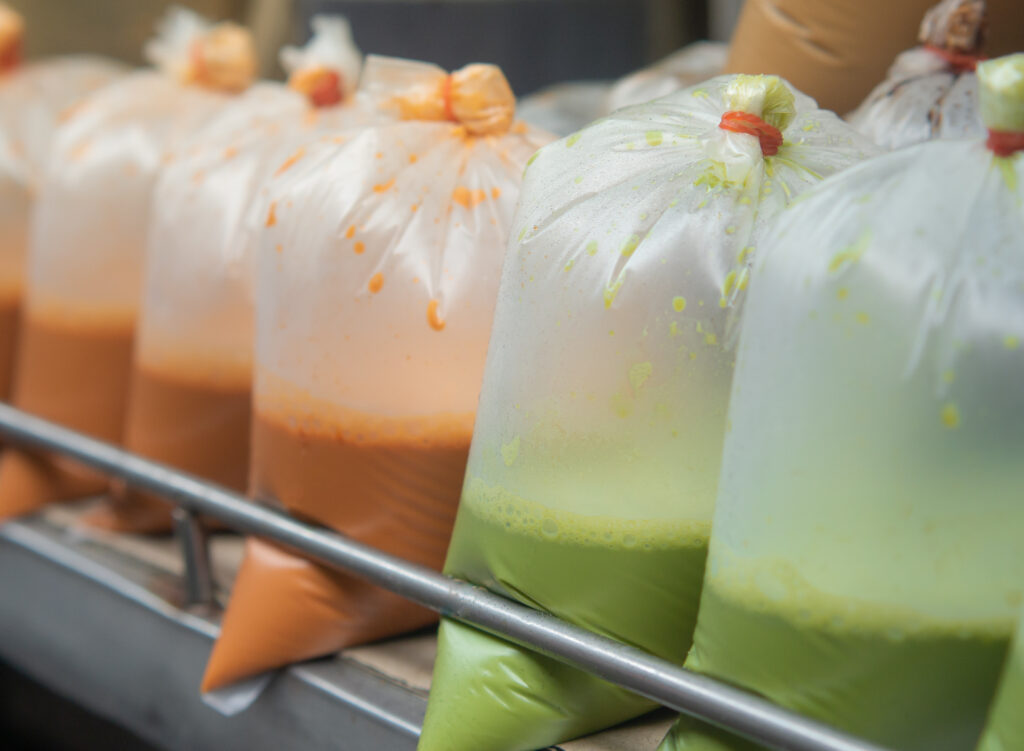
In Thailand, you’ll often find it served in tall plastic cups with lids for takeaway. The drink Thai locals enjoy on hot afternoons is as much about its striking look as its flavor.
Green Thai tea has a softer, green color that feels like a pastel counterpart to Thai tea’s bright orange.
Served over ice, it’s often lighter, sometimes without milk, and always refreshing. Tea and green Thai tea both embody the country’s creativity, with small details like sweetened with sugar or coconut milk to adjust to personal taste.
Green Tea vs Thai Tea: Which Should You Choose?
This is the heart of green tea vs Thai tea. If you’re craving something rich, creamy, and almost dessert-like, Thai tea is your best bet.
It’s indulgent, flavorful, and pairs beautifully with spicy Thai food. Thai tea and green Thai tea both have their strengths, but Thai tea normally wins when you want comfort.
If you’re in the mood for something light, floral, and refreshing, green Thai tea is the way to go. It’s especially nice on hot afternoons or when you want a drink that doesn’t overwhelm the palate.
Green tea and Thai tea might look like siblings, but your choice depends on whether you’re craving bold spice or soft florals.
Tea and Thai Green Tea in Modern Culture
These days, Thai tea and green Thai tea both pop up in boba shops, specialty cafés, and even ready-to-drink bottles at the grocery store.
Bubble tea culture has embraced Thai tea and green milk tea, often sweetened with sugar and layered with tapioca pearls. Boba tea has made them global icons.
From classic Thai tea mix recipes that originated in Thailand to creative twists with jasmine or matcha, these drinks continue to evolve.
Tea and green Thai tea live side by side now—two colorful, refreshing drinks that showcase the diversity of tea culture in Thailand and beyond.
Key Takeaways: Thai Tea vs Green Thai Tea
- Thai tea is brewed with strong black tea (often Ceylon or Assam) and spices like star anise, sometimes enhanced with tamarind seed or cardamom.
- Green Thai tea is made with green tea leaves, often jasmine, creating a floral taste and pale green color.
- Thai iced tea is bold, orange, sweet, and creamy thanks to condensed milk and evaporated milk.
- Green Thai tea is lighter, sometimes served without milk, with a refreshing floral finish.
- Thai tea normally contains more caffeine; green Thai tea offers a gentler buzz.
- Both originated in Thailand but show up in different cultural moments—classic Thai vs modern café.
- Variations of Thai tea include bubble tea, boba with tapioca pearls, or coconut milk twists.
- Green tea vs Thai tea ultimately comes down to mood: indulgent dessert vs delicate refreshment.
Other Thai Teas You May Like
Other than green Thai tea and Thai tea, here are some other Thai tea variations and brands of Thai tea you may wish to try:
Red Thai tea is made with red tea powder by the ChaTraMue brand.
Thai Rose Tea is made with oolong tea powder and rose petals or rose buds.
Pink Thai Tea Mix made with Assam Loose Tea Leaves and Beetroot by Raming Blue Moon
Blue Thai Tea Mix made with Assam loose tea leaves with Butterfly pea flower by Raming Blue Moon
The great thing about the Raming Blue Moon brand is that it’s all natural with no dye, though it’s also using the traditional Thai tea mix as its base.
If you wish to make this yourself at home, you can do that too by just making the base Thai tea and adding beetroot to make pink Thai tea or adding Butterfly pea flower to make blue Thai tea.
This website contains affiliate links. As an Amazon affiliate, I earn from qualifying purchases (What’s This?).